Death Cap Mushroom Poisoning: The Australian Family Lunch Murders

July 29, 2023. A family lunch in rural Australia. Beef Wellington on the menu. By the end of the week, three people are dead and one is fighting for his life with a new liver. The poison? Death cap mushrooms. The person who served the meal? The host. And here's what makes this whole thing so calculated: death caps have this phase where you feel completely fine. Hours go by. You're laughing, talking, saying goodbye. And the whole time, the poison is already doing its work.
The Leongatha Mushroom Murders: Death Cap Poisoning at a Family Lunch
There's this town in rural Victoria, Australia called Leongatha. Population around 5,000. The kind of place where everyone knows everyone, or at least knows of everyone. And on July 29, 2023, something happened there that would become one of the most talked about murder cases in Australian history.
Erin Patterson Invited Her Estranged In-Laws to a Deadly Lunch
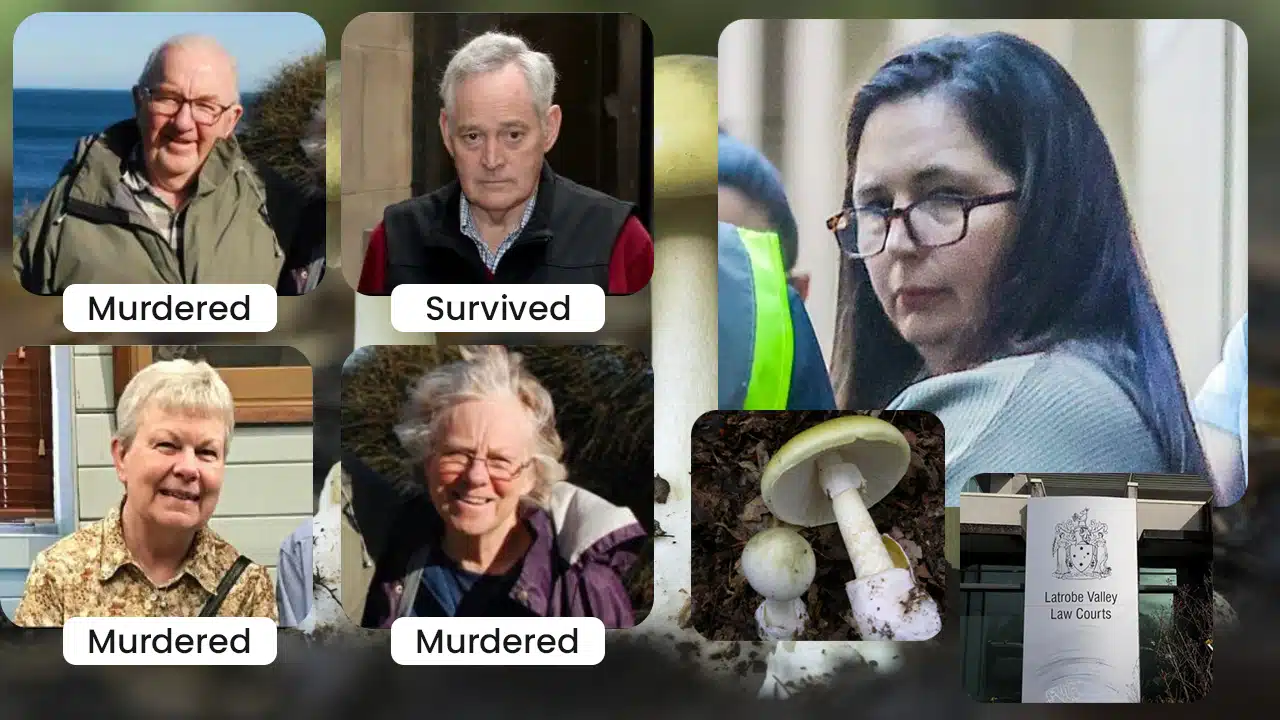
Erin Patterson invited four people to lunch at her home. Not just any four people. Her estranged husband's parents, Don and Gail Patterson, both 70. And Gail's sister Heather Wilkinson, 66, plus Heather's husband Ian Wilkinson, 69, who happened to be a Baptist pastor. These were her former in-laws. And things had been tense between them for about two years at that point.
The invitation itself was based on a lie. Erin told them she needed to discuss something important: her recent cancer diagnosis. Serious stuff. The kind of news that brings a family together, even when relationships are strained. Except Erin didn't have cancer. She admitted that in court later. Said she made it up because she was embarrassed about planning to have weight-loss surgery. So right from the start, the entire reason for this lunch was fabricated.
The Estranged Husband Who Survived by Canceling
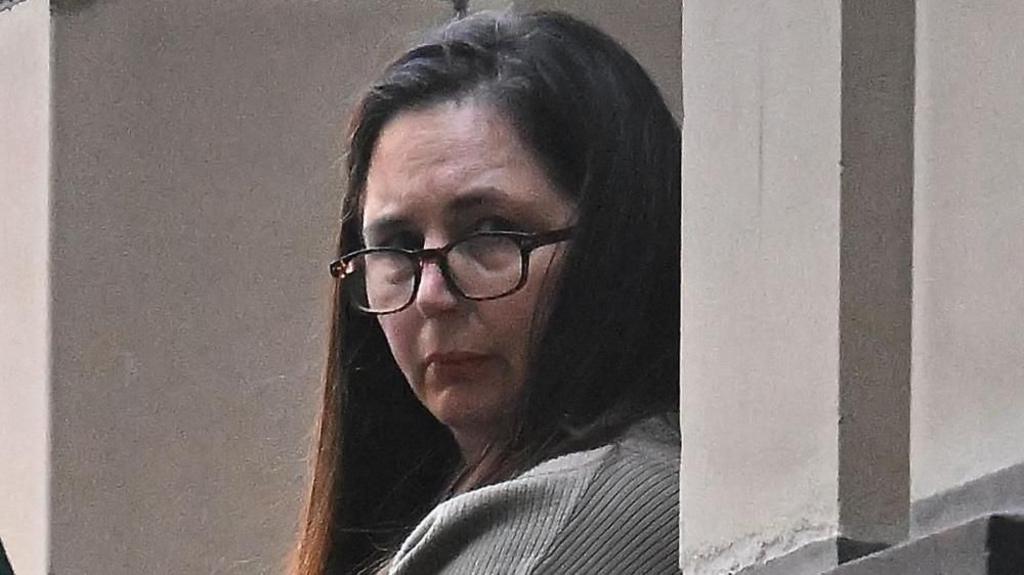
There was supposed to be a fifth guest. Simon Patterson, Erin's estranged husband. He was invited too. But the day before the lunch, on July 28, he told Erin he wasn't coming. That decision saved his life. The prosecution would later argue that Erin had prepared an extra individual serving of Beef Wellington specifically for Simon. He was likely the primary target. But when he bailed, the plan shifted.
Beef Wellington Laced with Death Cap Mushrooms
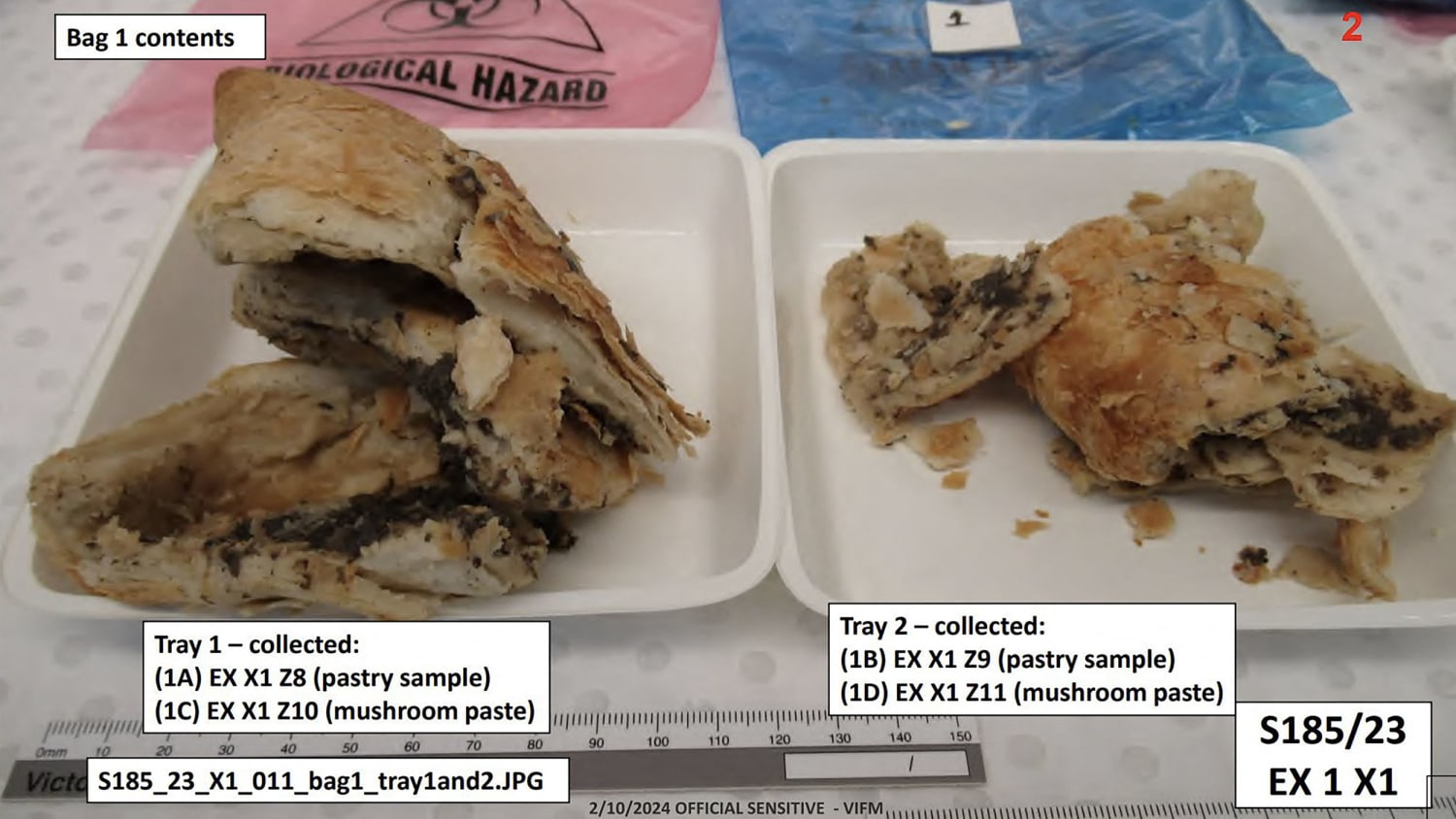
So Sunday afternoon rolls around. Erin serves lunch. Beef Wellington. Individual servings, plated by Erin herself. Ian Wilkinson testified about this later. He described the servings as looking very much like a pasty. Each person got their own. And inside those servings were death cap mushrooms.
How Death Cap Mushroom Poisoning Kills
Let's talk about death caps for a second. Amanita phalloides. One of the most toxic mushrooms in the world. The active toxin is called amatoxin, and it blocks DNA replication in rapidly dividing cells. Your liver, your kidneys, eventually your central nervous system. All of it starts shutting down. And here's the really sinister part about this particular poison: there's a silent phase.
For six to twelve hours after you eat death caps, you feel nothing. No symptoms. You're sitting there finishing your meal, chatting, maybe commenting on how good the food tastes. Meanwhile, the toxin is binding to your liver cells and starting the process of destroying them. By the time the symptoms hit, severe nausea, vomiting, abdominal cramps, profuse diarrhea, the damage is already done. You go to the hospital thinking maybe it's food poisoning. And then your liver starts failing.
There's even this thing called the transient recovery phase. After the initial wave of gastrointestinal symptoms, you actually feel better for a little while. Like you're recovering. But internally, your liver is collapsing. By day three to six, you're in full organ failure. Jaundice, hemorrhaging, multiple systems shutting down. And then you die.
Three Dead, One Survivor After the Poisoned Meal
All four guests at that lunch ended up in the hospital within 24 hours. They were all diagnosed with severe liver failure from amanita mushroom poisoning. Gail and Heather died on August 4, five days after the meal. Don died the next day, August 5. He'd received an emergency liver transplant trying to save him. Didn't work. The poison was too powerful, too widespread in his system. Even replacing the primary affected organ couldn't stop the cascade of failure.
Ian Wilkinson was the only one who survived. He spent over seven weeks in the hospital. Had to get a liver transplant too. Didn't get discharged until September 23. And here's something interesting: Erin was also briefly hospitalized. The prosecution argued she was faking it, trying to make it look like she ate the same meal and got sick too. Just not as sick. Her defense tried to claim her test results showed low potassium and elevated hemoglobin, consistent with having eaten the meal. But the prosecutors weren't buying it.
Erin Patterson Withheld Critical Information as People Died
While people were dying, Erin was being calculated about other things. She was reluctant to let her children be tested for poisoning. She delayed giving information to health authorities about where the mushrooms might have come from. Even when she was in the hospital herself, she didn't initially tell doctors that there might have been foraged mushrooms in the meal. Think about that. People are dying, and she's withholding the one piece of information that might help save them.
The Food Dehydrator That Exposed the Murder Plot
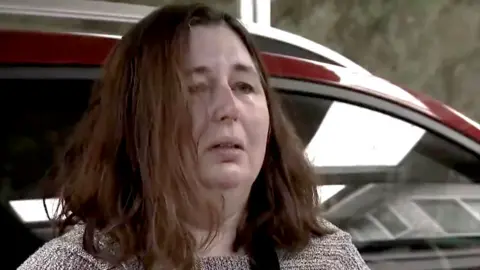
The investigation started peeling back layers pretty quickly. In her first police interview, recorded just hours after it became clear how serious the poisoning was, Erin was calculated and evasive. She denied foraging for mushrooms. She denied owning a food dehydrator. She said she bought the mushrooms at a supermarket and an Asian grocery store. All lies.
Then police found a five-page statement where Erin admitted she'd lied about the food dehydrator. She told detectives she'd dumped it a long time ago. But CCTV footage showed her disposing of it the day after she got out of the hospital. When they recovered the dehydrator and tested it, they found traces of death cap mushrooms inside.
A food dehydrator is used to dry and concentrate fungi. It would make the poison more potent, easier to incorporate into a dish. And the fact that she threw it away immediately, lied about it, and then got caught on camera doing it? That's consciousness of guilt. That's someone who knows exactly what they did and is trying to destroy the evidence.
The Web of Lies Began to Unravel
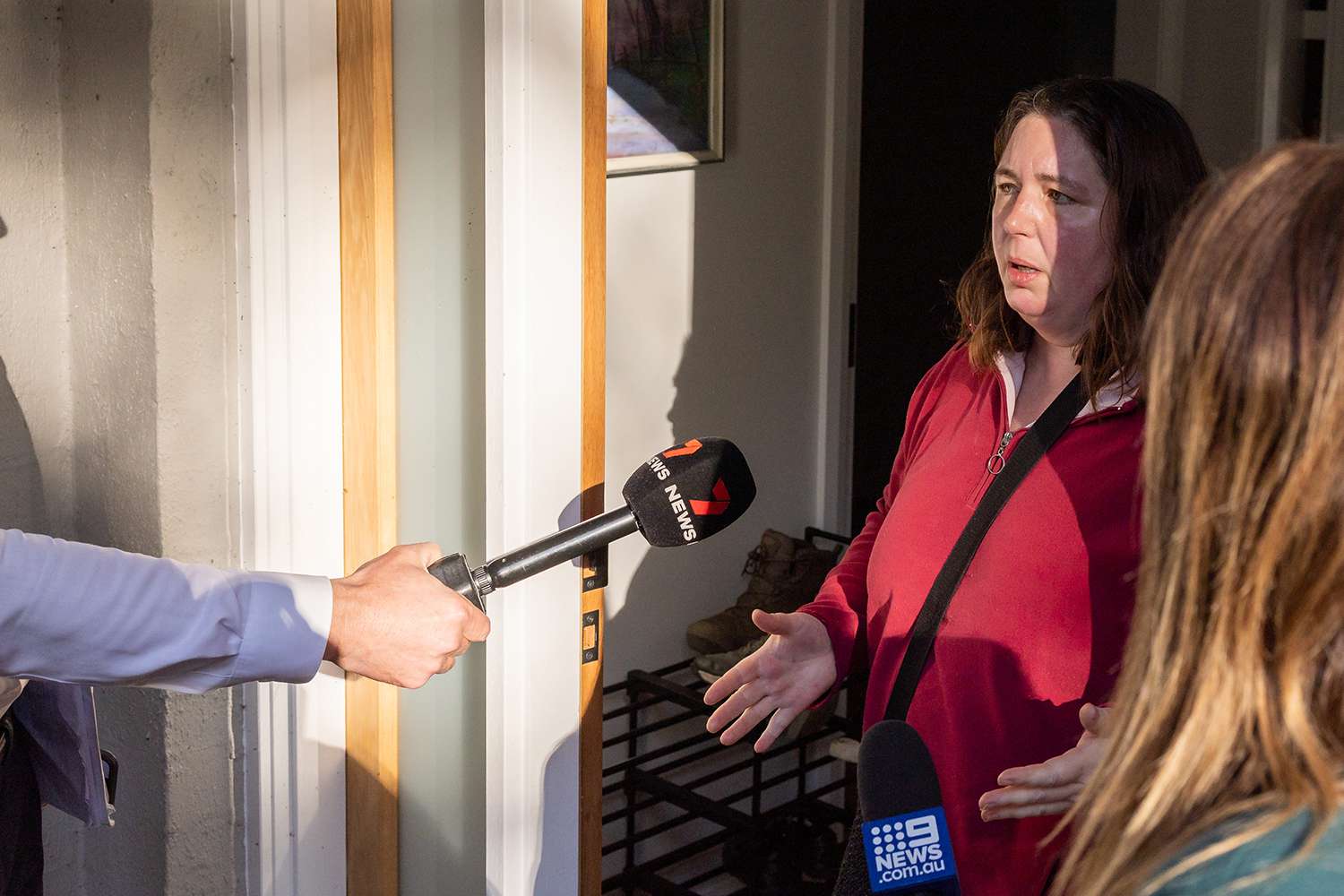
Erin eventually admitted during the trial that she'd lied about the dehydrator and about foraging. Her explanation was that she panicked when she realized her meal had killed people, especially after her estranged husband Simon accused her of poisoning his parents. She also claimed she reset her phone and dumped the dehydrator because she was scared of child protection officers seeing photos related to them.
But the digital evidence told a different story. Cell tower data showed Erin may have visited two specific locations in regional Australia right after reports of death cap sightings in those areas. The prosecution used this to prove she was actively foraging for the toxic mushrooms despite all her denials.
Digital Evidence Revealed Premeditated Murder
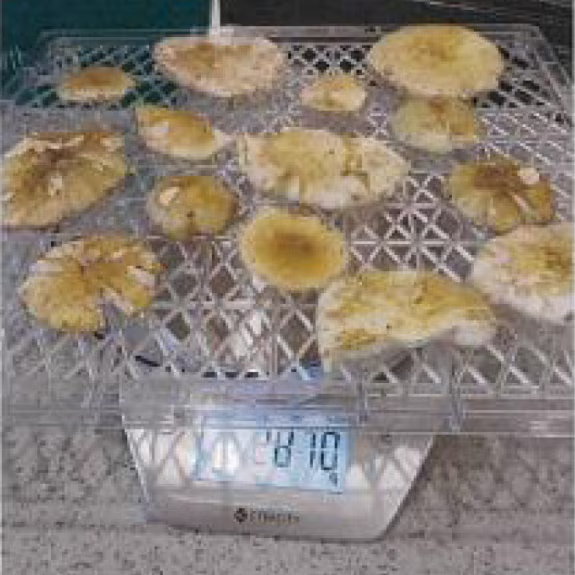
And then there's the phone. Erin's phone underwent a remote factory reset when it was seized and taken into police storage. She admitted to resetting it four times in August 2023. She said she did it because there were photos of mushrooms and the dehydrator on there and she panicked. But here's what really sealed it: detectives recovered photos from April 2023 showing wild mushrooms being weighed on a scale. The prosecution argued this was her researching how to determine a lethal dose.
The Murder Trial: Intent vs. Motive
The trial started on April 29, 2025 in the Supreme Court of Victoria. Erin pleaded not guilty to three counts of murder and one count of attempted murder. Her defense centered on the argument that there was no clear motive for her to kill these people. Colin Mandy, her defense attorney, called it a tragic and terrible accident. But here's the thing about murder cases: you don't actually have to prove motive. You just have to prove intent. The prosecution needed to show that Erin had the intention to kill or cause serious bodily harm, and that death resulted. Motive helps, but it's not required.
Ian Wilkinson's testimony was crucial. He confirmed that Erin individually plated all the food. The poison wasn't randomly dispersed. It was selectively served in those individual Beef Wellington portions. Combined with the death cap traces in the dehydrator, the timeline of her visits to foraging areas, and the photos of her weighing wild mushrooms, the defense's argument of a spontaneous accident fell apart.
Guilty Verdict: Three Murders, One Attempted Murder
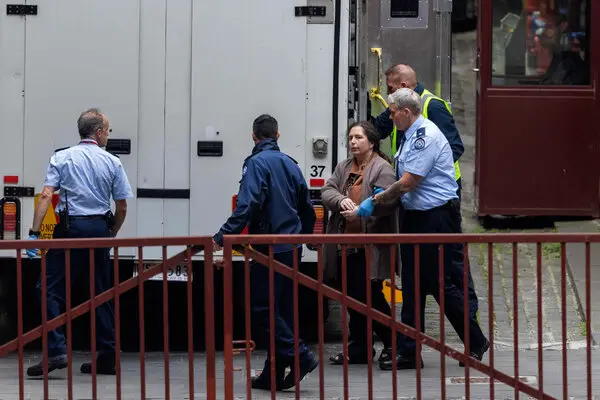
The jury deliberated for six and a half days. On July 7, 2025, they came back with guilty verdicts on all counts. Three counts of murder for Gail, Don, and Heather. One count of attempted murder for Ian.
Ian Wilkinson's Powerful Victim Impact Statement
The sentencing hearing on September 8, 2025 was historic for Victoria because it was the first time such a proceeding was broadcast live. The victim impact statements started on August 25.
Life in Prison: 33 Years Before Parole Eligibility
Justice Christopher Beale handed down the sentence. Life in prison. Three life sentences for the three murders, running concurrently. Twenty-five years for the attempted murder, also concurrent. And a non-parole period of 33 years. Erin Patterson won't be eligible for parole until 2056. She's currently serving her sentence at the Dame Phyllis Frost Centre in western Melbourne.
How Forensic Evidence Solved the Mushroom Murders
This case became a textbook example of how modern forensic techniques, particularly digital analysis, can unravel even the most carefully planned crimes. Erin chose a poison specifically because of its delayed effects. That silent phase gave her distance from the immediate consequences. Made it harder to diagnose. Harder to treat. By the time symptoms appeared, the damage was irreversible.
But she left a trail. The dehydrator she tried to hide. The phone she reset four times. The photos of weighing mushrooms. The geospatial data showing her near death cap locations. The lies she told and then had to walk back. All of it added up to a clear picture of someone who knew exactly what she was doing and tried desperately to cover it up.
Three people died. One survived but lost his wife and his closest friends. All because someone decided that a family lunch could be the solution to whatever problems she was facing. The jury saw through the defense of accident. The judge recognized the calculated nature of the crime. And Ian Wilkinson, standing in that courtroom, showed more grace than most people could manage under those circumstances.
That's the story of the Leongatha mushroom murders. A Sunday lunch that turned into mass murder. Death caps on the menu. And 33 years minimum before the person who served them can even ask for freedom.


Host | Creator
Joe runs 10 Minute Murder because he's been trying to figure out since the '90s why humans are such spectacular disasters, when the Menendez Brothers and O.J. Simpson turned murder trials into must-see TV. While his classmates were watching Saturday morning cartoons, little Joe was watching Court TV and thinking, "What is wrong with people?" Thirty years later, he still doesn't have a good answer, but he's got a podcast about it.
When he's not studying the worst decisions ever made by our species, Joe screams supportive threats at the Buffalo Bills, reads everything he can get his hands on, and goes to stand-up comedy shows to remember that humans can be funny on purpose instead of by accident. Most nights you'll find him on his couch, yelling "You IDIOT" at a murder documentary like the killer can hear him through the screen. He calls it research. His therapist calls it "an interesting coping mechanism."
The Zombie Hunter Murders: Phoenix's Most Haunting Cold Case Finally Solved

 Spotify
 Apple Podcasts
 Pandora
 Amazon Music
 Podchaser
 Spreaker
 RSS Feed
 Audible
 Castbox
 iHeartRadio
 Castro
 Deezer
 YouTube