Seven Deadly Sins: The Valhermoso Springs Massacre

June 4th, 2020. Seven people are about to sit down for dinner in rural Alabama. The invitation came from two guys they thought were friends. Members of their club. Except Frederic Rogers and John Michael Legg didn't come to eat. They came to make sure there weren't any witnesses. And when deputies arrived at that house on Tallucah Road, they found bodies in the garage, bodies in the living room, and a fire that was supposed to make all of this disappear. It didn't.
When Nobody Called 911 Until It Was Too Late
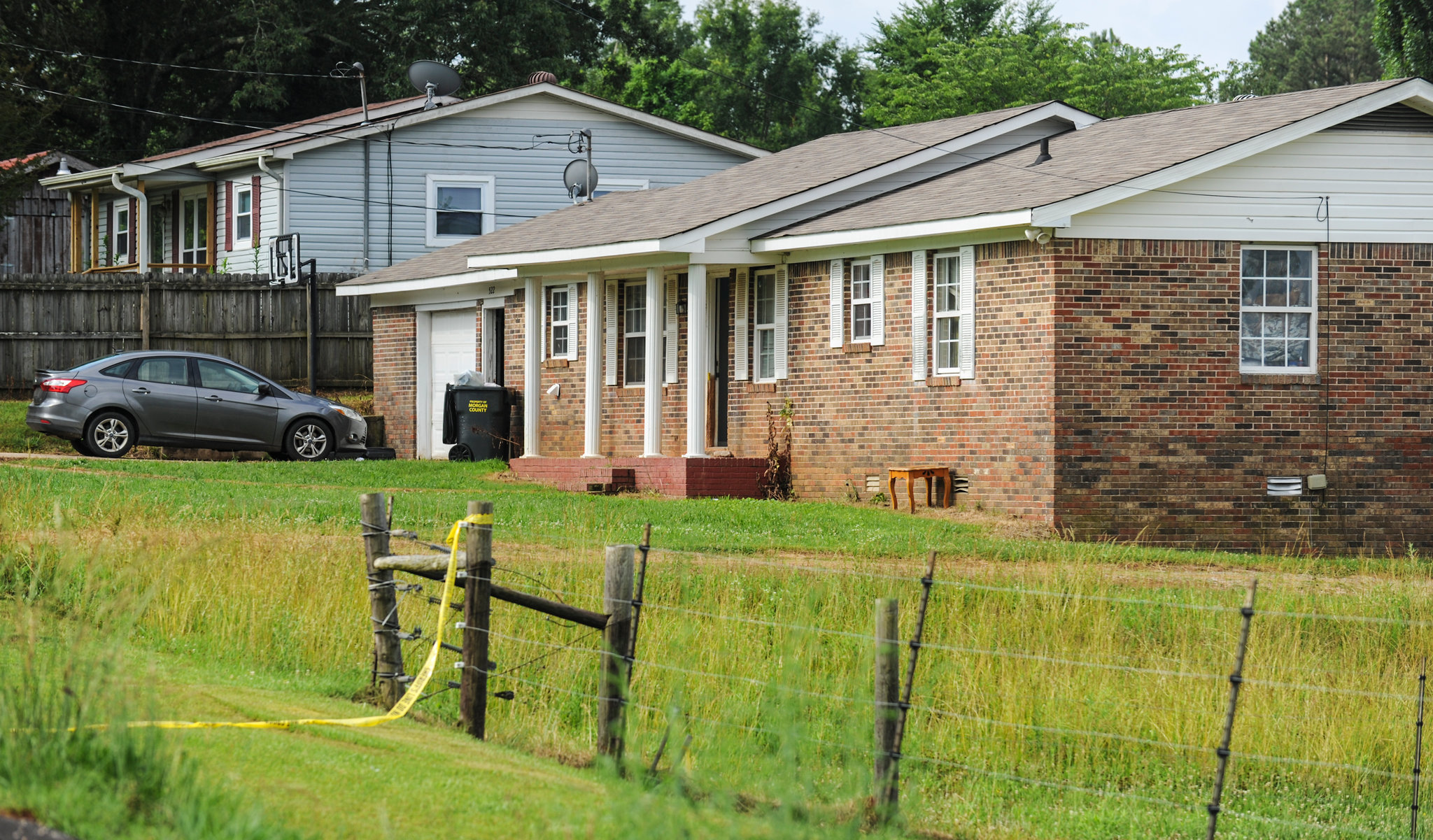
Valhermoso Springs, Alabama. Morgan County. Rural. Quiet. About twenty miles south of Huntsville. The house on Talucah Road had been a problem before. Deputies had been called out there multiple times. Sergeant Vernon Loosier testified that when they got the 911 call on June 4th, 2020, about shots fired, this address wasn't new to them.
So they roll up expecting another domestic situation, maybe a dispute that got heated. What they found was something else entirely.
Loosier walks into the garage first. Three bodies. All male. One of them is still on fire. Actually burning when he arrives. He moves through the rest of the house. Four more bodies. Seven total. Three women, four men. All shot multiple times. There's also a dead dog.
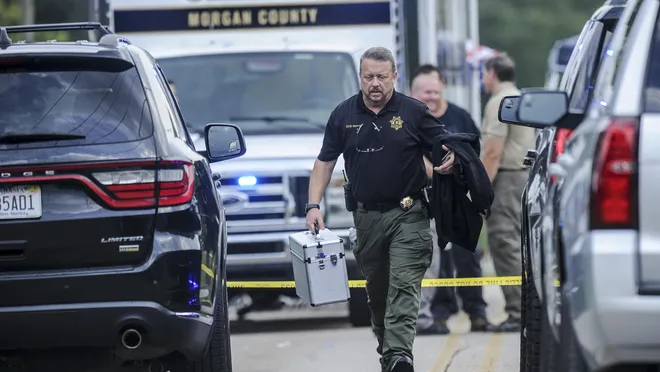
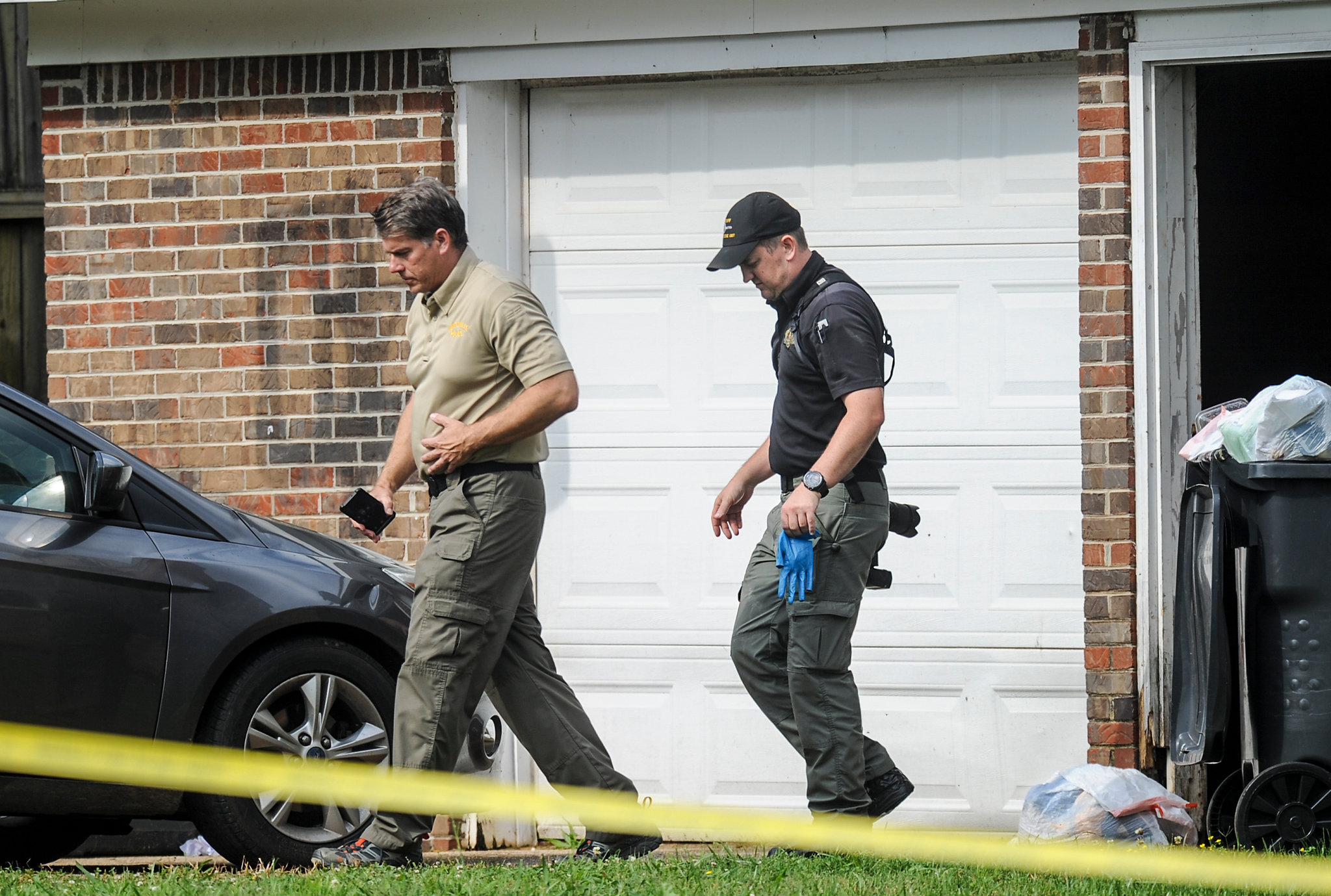
Deputy Jacob Fanning gets tasked with documenting everything. He ends up taking over a thousand photographs. A thousand. That's how much carnage was spread through this house. Madison County has to send backup because Morgan County's resources are maxed out trying to process the scene.
District Attorney Scott Anderson would later call this the most significant crime ever committed in Morgan County's history. And these are people who've seen their share of bad things.
They Set The House On Fire To Cover Their Tracks
Rogers and Legg didn't stop at shooting everyone. They also set the house on fire. A calculated move to destroy evidence. Which tells you everything about how they were thinking. This wasn't rage. This wasn't a fight that got out of control. They brought accelerant. They planned cleanup.
The fire didn't work obviously, because we know about all of this. But trying shows you the premeditation. They knew what they were doing would require covering up.
Seven People With Their Whole Lives Ahead
The victims ranged from 17 to 45 years old. Tammy England Muzzey was 45. Emily Brooke Payne was 21. Roger Lee Jones Jr. was 19. Jeramy Wade Roberts was 31. William Zane Hodgin was 18. James Wayne Benford was 22. And Dakota Green was just 17.
They came from Valhermoso Springs, Decatur, Athens, Sommerville. Some lived in that house. Others were just visiting. They were connected through this social circle that centered around drugs and a group calling themselves the Seven Deadly Sins.
At least three of the dead were members of this so-called club. The others were friends, family, people who happened to be there that night.
A Club Built On Television Fantasy
Sheriff Ron Puckett made it clear what the Seven Deadly Sins actually was. Not some established criminal organization. Not a biker gang with chapters and bylaws. Just a local club. Kids playing pretend.
And what were they pretending to be? Members of Sons of Anarchy.
Frederic Rogers told FBI agents he and John Michael Legg started the Seven Deadly Sins after getting really into that show. Sons of Anarchy is fiction. It's a drama about an outlaw motorcycle club in California where loyalty is everything and breaking club rules gets you killed.
Rogers and Legg watched that and decided they wanted that life. In rural Alabama. Over some drugs and guns.
Here's what's terrifying about adopting a fictional code of conduct. It gives you permission to do things no rational person would justify. You're not just some guy dealing drugs anymore. You're living by outlaw rules. And outlaw rules say certain violations demand certain responses. Even when those violations are completely trivial.
The Post That Changed Everything
The murders happened because of an argument over stolen guns and drugs. Someone took something from Rogers and Legg, or at least they thought someone did.
But here's where social media enters the story. One of the victims posted photos of those guns and drugs online. Put them on Facebook for everyone to see.
Rogers and Legg lost it. This wasn't just disrespect. This was exposure. It threatened to bring law enforcement down on them. It made them look weak in front of whoever they thought was watching. It violated their imaginary outlaw code.
Rogers also claimed one of the victims had beef with the Aryan Brotherhood, and now there were threats coming at him and Legg. Whether that was true or whether Rogers was inflating the danger to justify what he was planning, we don't know. But it gave him the narrative he needed.
They had to handle things. They couldn't let this slide. And most critically, they couldn't leave witnesses.
The Dinner Invitation Nobody Should Have Accepted
Rogers told the FBI he and Legg planned everything. They didn't show up in a blind rage. They strategized. They decided on execution. And they used dinner as bait.
A witness testified that Rogers explicitly said he was going to burst into the house and start shooting. She tried to warn people. They didn't take her seriously. Maybe they didn't believe Rogers would actually do it. Maybe they thought their friendship meant something.
Rogers and Legg showed up at Talucah Road with guns and a plan. Shoot everyone. Set the place on fire. Destroy the evidence. Then run to Oregon and start over.
The execution was methodical. Seven people, multiple gunshots each. And Rogers was clear about the reasoning. No witnesses. Because in the TV show code he'd adopted, witnesses get you caught. Better to kill everyone and walk away clean.
Running Three Thousand Miles To Grandma's House
After the murders, Rogers and Legg drove cross-country. They were heading to Oregon. Specifically, near Rogers's grandmother's house in Salem.
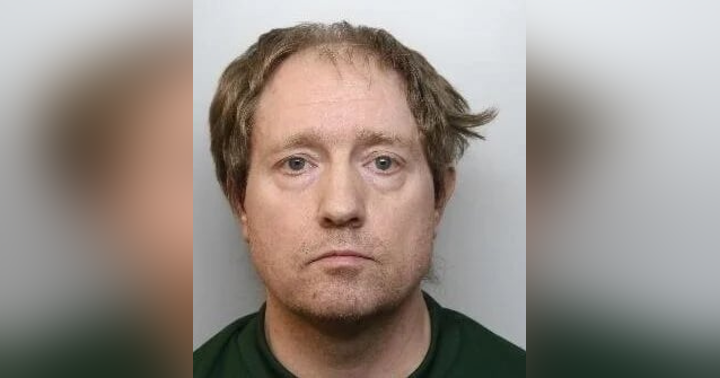
The FBI found them on June 22nd, eighteen days after the killings. Marion County deputies pulled them over during a traffic stop. That was it. No shootout. No dramatic chase. Just two guys in a car who thought distance would save them.
Rogers told agents he wanted to stay in Oregon. Start fresh. Forget Alabama existed. Except you can't outrun seven bodies. Especially when you run straight to a relative's address that law enforcement obviously knows about.
The FBI Interview Where The Mask Slipped
Rogers confessed. Told the FBI about the Sons of Anarchy influence. About the planning. About the decision to eliminate witnesses. He even said he'd made peace with getting the death penalty.
That last part matters. It's the posture of someone trying to project control. Like he'd already won by not caring about the consequences.
But that's not how it played out in court.
When Reality Walked Into The Courtroom
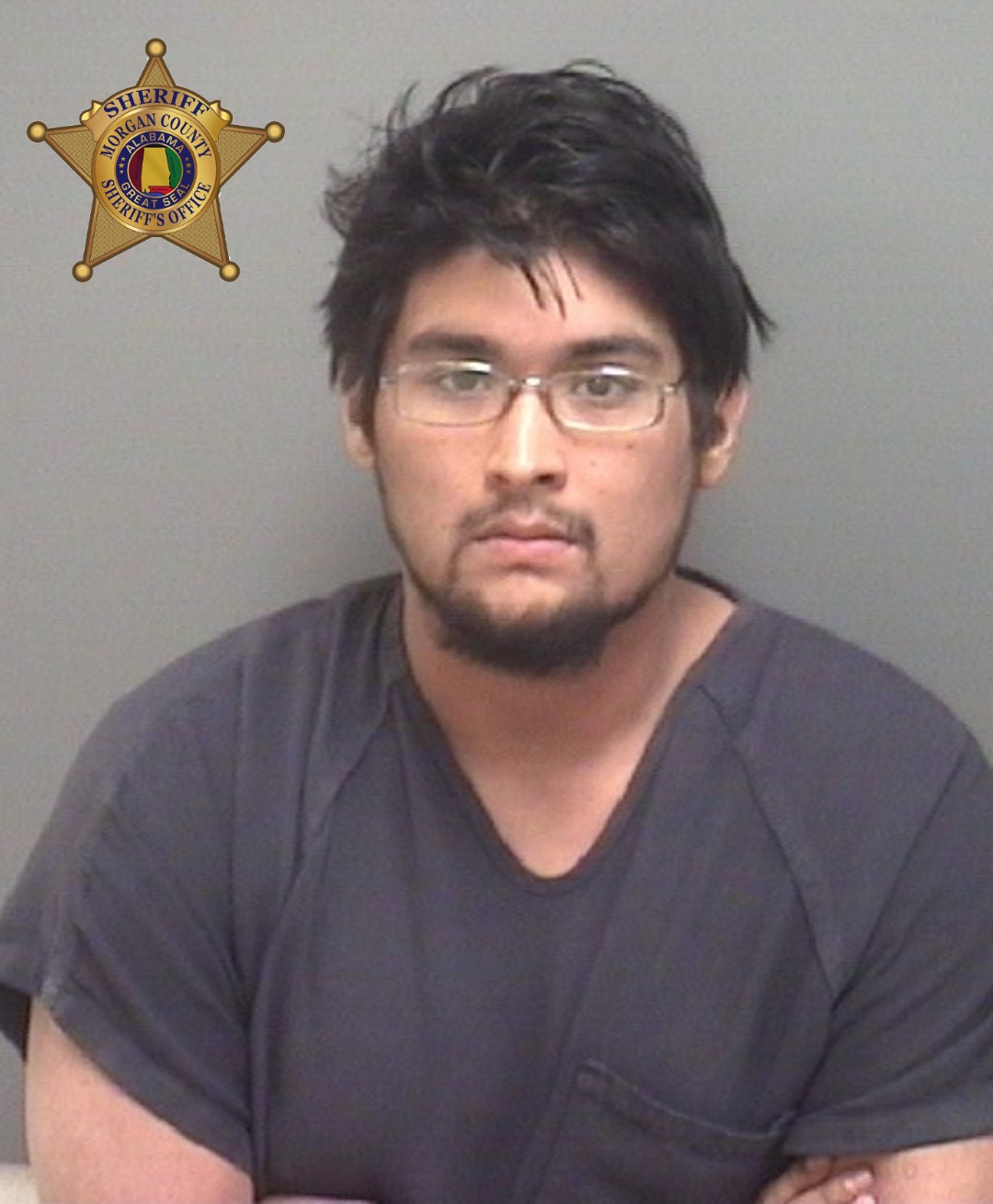
Rogers's trial started in August 2024. His defense attorney conceded guilt immediately. There was no question about involvement. The only fight was over life without parole versus death.
The jury sat through hours of graphic evidence. Crime scene photos showing partially burned bodies. Autopsy pictures. Ballistic analysis. Testimony from first responders who walked into that nightmare.
Rogers, the guy who told the FBI he'd accepted death, was bouncing his leg. Shaking. Looking away when the worst photos appeared on screen.
That's when his whole performance fell apart. It's easy to talk tough in an interrogation room when everything's abstract. It's different when you're in a courtroom watching a jury look at what you did.
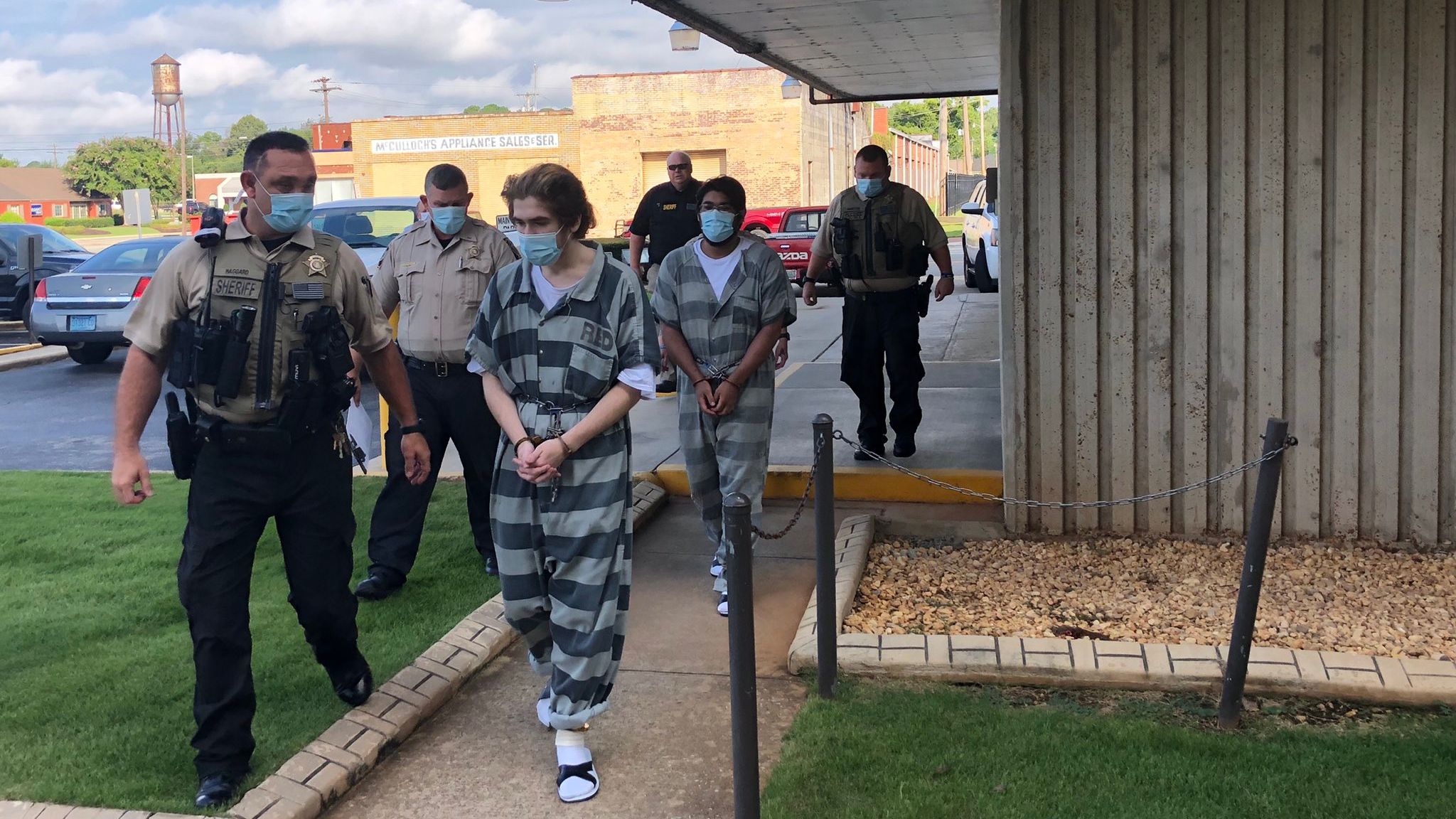
The jury found him guilty of capital murder. But when they deliberated on sentencing, they chose life without parole. They rejected the death penalty.
The Second Trial That Never Happened
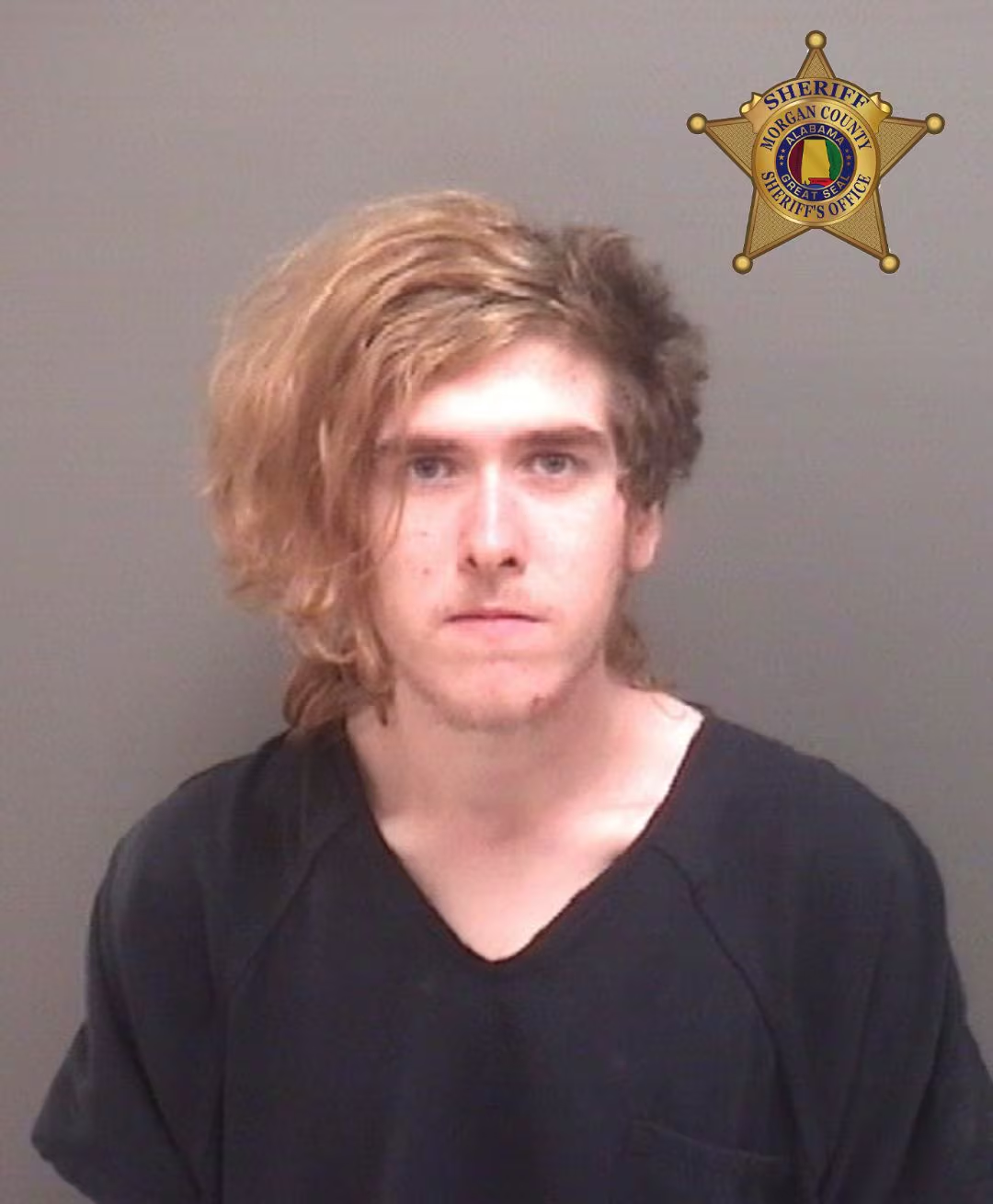
John Michael Legg was scheduled for trial next. A judge ruled him mentally competent. Then Legg entered a guilty plea. Life without parole.
District Attorney Scott Anderson explained it simply. Rogers was more culpable. He was the planner, the leader. If a jury gave Rogers life instead of death, it wouldn't be fair to pursue death for Legg, who was the follower.
So both got the same sentence. They'll both die in prison. Just not on a schedule set by the state.
What Seven Lives Were Worth
Seven people died because two guys couldn't separate fantasy from reality. Because they thought a Facebook post and a drug dispute required wholesale execution.
Rogers and Legg had no criminal records before this. They weren't career criminals. They were young guys who watched too much television and imported fictional rules into their real lives.
That social media post was the spark. It turned a manageable conflict into something they perceived as an existential threat. And in their minds, shaped by a TV show where violence solves everything, the response had to be murder.
Valhermoso Springs and Morgan County carry this scar permanently. Seven families lost people they loved. A community had to process violence that doesn't fit any reasonable narrative.
All of it because two guys couldn't distinguish between Sons of Anarchy and their actual lives.

Host | Creator
Joe runs 10 Minute Murder because he's been trying to figure out since the '90s why humans are such spectacular disasters, when the Menendez Brothers and O.J. Simpson turned murder trials into must-see TV. While his classmates were watching Saturday morning cartoons, little Joe was watching Court TV and thinking, "What is wrong with people?" Thirty years later, he still doesn't have a good answer, but he's got a podcast about it.
When he's not studying the worst decisions ever made by our species, Joe screams supportive threats at the Buffalo Bills, reads everything he can get his hands on, and goes to stand-up comedy shows to remember that humans can be funny on purpose instead of by accident. Most nights you'll find him on his couch, yelling "You IDIOT" at a murder documentary like the killer can hear him through the screen. He calls it research. His therapist calls it "an interesting coping mechanism."
The Zombie Hunter Murders: Phoenix's Most Haunting Cold Case Finally Solved

 Spotify
 Apple Podcasts
 Pandora
 Amazon Music
 Podchaser
 Spreaker
 RSS Feed
 Audible
 Castbox
 iHeartRadio
 Castro
 Deezer
 YouTube