
A Wall of Angels: The Matthew Shepard Story

One morning in October 1998, a cop in Laramie, Wyoming, shows up to a fight and looks inside a pickup. He finds a bloody gun and a credit card with a stranger’s name. He finds a pair of shoes, too. The guys in that truck know whose shoes those are, and where he is right now. This is the story of Matthew Shepard.
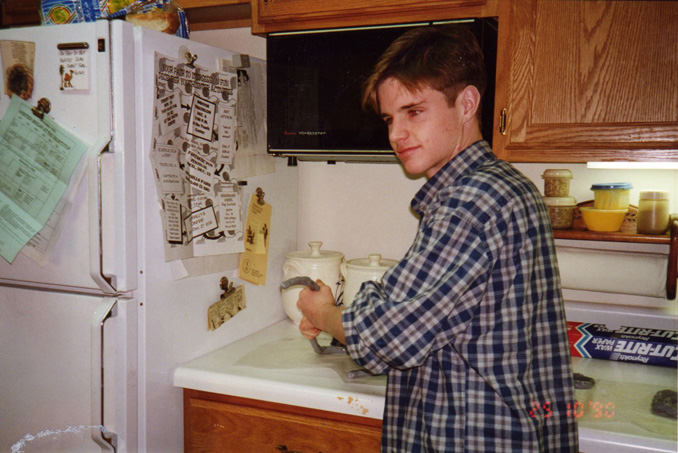
Who Was Matthew Shepard? The Funny Theater Kid From Casper, Wyoming
The kids at Matt Shepard’s school in Casper, Wyoming, voted him peer counselor, and then the kids at his school overseas did it too, so on both sides of the ocean, Matt was the guy you went and found when your life was falling apart.
Why overseas? His dad, Dennis, took a job with Saudi Aramco, and since Saudi Arabia had no good American high school for him, Matt went to school in Switzerland.
His friend Romaine Patterson calls him a “total nerd” who loved theater and politics and treated strangers like friends he hadn’t met yet. Dennis says Matt could talk hunting and fishing and then turn around and talk theater.
Some of Matt’s school writing survived. He’s mischievous and homesick in it, and he makes it clear he wants people to respect his privacy.
On a school trip to Morocco in 1995, Matt was raped. Nobody was ever caught, and his family says depression and panic hung on him for a long time.
He started at the University of Wyoming in Laramie in the fall of 1998, and he joined the campus LGBT group. He was 21.
Laramie, Wyoming in 1998
About 10,000 people in Laramie were university students, and the campus was the more liberal corner of a conservative ranching state. People describe Wyoming back then as don’t ask, don’t tell, where if you were gay, you mostly kept it to yourself, though gay folks in Laramie later told reporters the town had acceptance in it too.
Aaron McKinney and Russell Henderson were Laramie guys. They were both high school dropouts who did roofing, and they drank together.
Aaron had a girlfriend named Kristen Price and a baby son. He also had a sentencing coming up, because he’d been arrested for taking about $2,500 out of a Kentucky Fried Chicken. Russell’s grandmother raised him. He dated Chasity Pasley.
The Night at the Fireside Lounge
Matt spent the evening of October 6 at a planning meeting for Gay Awareness Week. Then he went to a bar called the Fireside Lounge.
Russell told the court the robbery was Aaron’s idea, and years later he said he’d figured that if he kept Aaron drinking, Aaron might forget it.
What was the plan? Kristen, Aaron’s girlfriend, told the jury the guys worked it out in the bathroom: they’d act like they were gay so Matt would get in the truck, and then they’d rob him.
Matt walked out with them and got in Aaron’s pickup with Russell driving, and everything you’ll ever hear about what got said in that truck comes from Aaron and Russell, because they’re the ones who talked to police about it.
The Split-Rail Fence East of Laramie
Somewhere on the drive east of town, Aaron pulled a .357 revolver, told Matt this was a robbery, demanded his wallet, and started hitting him. Aaron claimed later that Matt touched his leg. That claim is Aaron’s, and you’ve got no neutral witness in that truck to check it against.
Aaron had Russell park near the Sherman Hills subdivision, and Aaron pulled Matt out and kept beating him with the gun, and then on Aaron’s orders Russell got a rope out of the truck and tied Matt’s wrists to a wooden split-rail fence. Russell told the court he tried to stop the beating and Aaron hit him in the face with the gun, and Russell went back to the truck.
They took Matt’s wallet. They took his shoes too, and neither man’s account explains the shoes.
It was close to freezing. They drove back to town.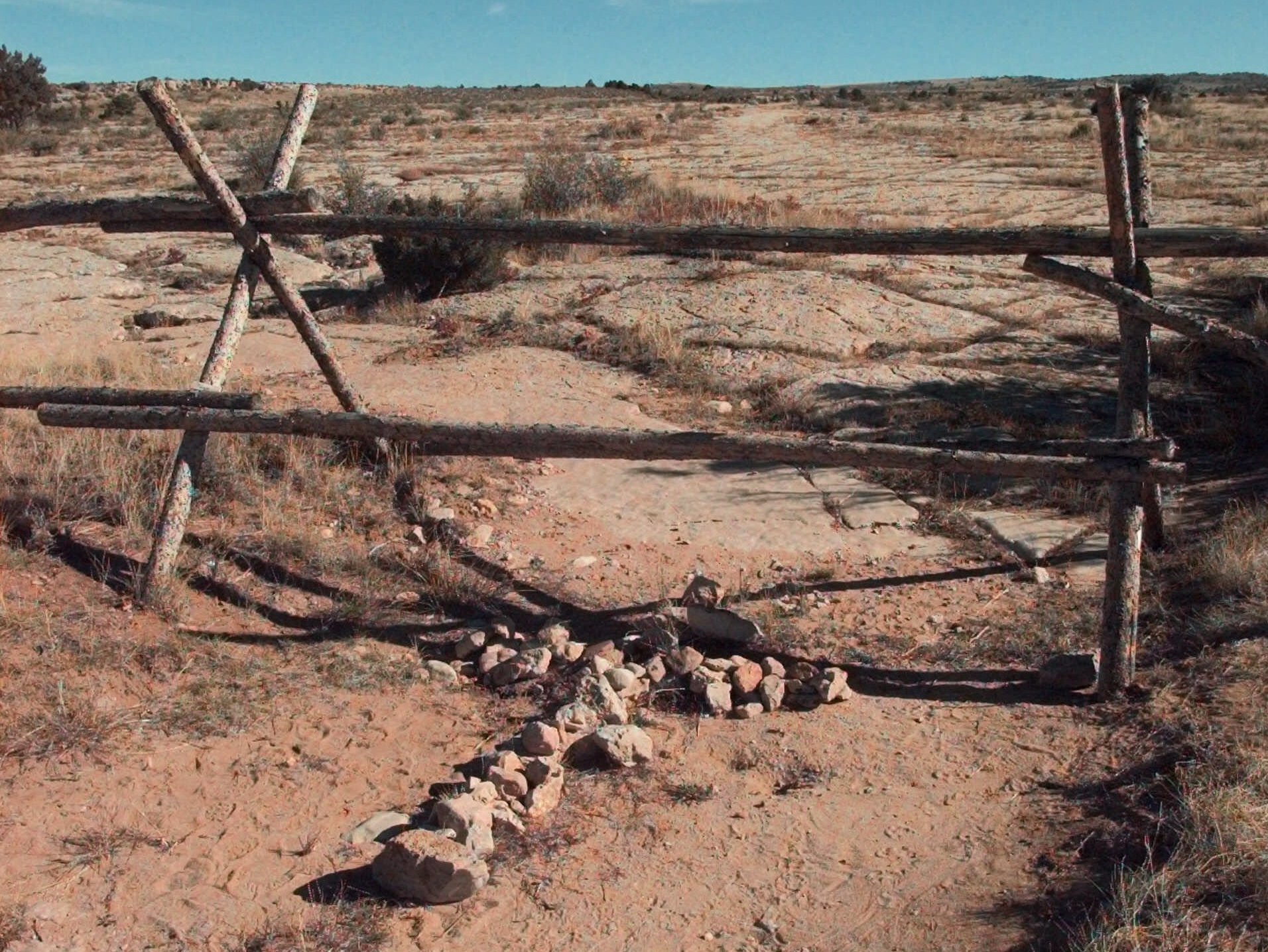
A Bar Fight, a Bloody Gun, and a Pair of Shoes
Back in Laramie, Aaron got into a fight with 2 guys and hit the first guy with that same gun, and the second guy fought back and gave Aaron a head injury.
A police officer showed up and detained Russell, and in the pickup he saw the bloody gun and Matt’s credit card. He saw Matt’s shoes, too. If you’re that officer, you’re looking at a stranger’s credit card and a stranger’s shoes, and that stranger is tied to a fence out past the edge of town.
The police let Russell go. Later that day Russell and the 2 girlfriends drove the bloody clothes all the way to Cheyenne, a whole different city, just to throw them in a dumpster, and then they got their alibis lined up. Matt was still out at the fence.
How Matthew Shepard Was Found
About 18 hours after the attack, a guy out riding his mountain bike came up on that fence and found Matt alive.
A sheriff’s officer named Reggie Fluty got there first. She cut Matt loose and worked to keep his airway open, and when her gloves gave out, she kept going with her bare hands.
Matt ended up at a hospital in Fort Collins, Colorado, and Judy and Dennis came all the way from Saudi Arabia to be with him, and by then you had the whole country following it on the news. The hospital read a statement from the family asking for privacy, which is the exact thing Matt kept asking for in those school papers.
Aaron’s first story to police was that somebody had borrowed his truck. Then he sat down with the lead investigator, Rob DeBree, and admitted the beating, and DeBree said Aaron came across cold and mostly seemed upset about losing time with his son. At some point, Aaron allegedly said, “It’s Gay Awareness Week.” Matt spent his last night out helping plan it.
Matt never woke up. He died at 12:53 in the morning. It was October 12. His family was with him.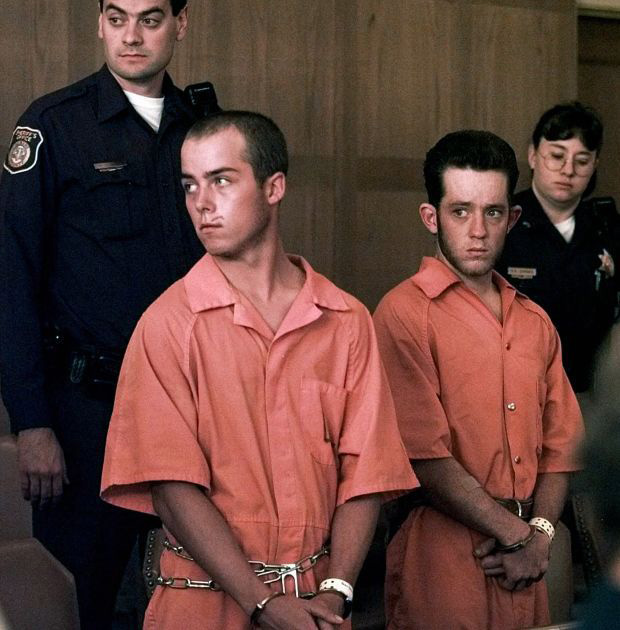
The Angels Outside the Courthouse
Russell pleaded guilty to felony murder and kidnapping in April 1999, which took the death penalty off the table. He got 2 life sentences and apologized to the Shepards.
Westboro Baptist Church picketed Matt’s funeral and the court proceedings, and Romaine, the friend who called Matt a total nerd, answered with something she called Angel Action, where volunteers in white robes and enormous wings lined up to block the protesters from view. If you walked into that courthouse, you saw a wall of angels.
Aaron’s trial ran that fall. His lawyers wanted to argue Matt made a pass at him and it set off memories of Aaron being abused as a kid, and the judge kept that gay panic defense out, because Wyoming law didn’t allow it.
The jury acquitted Aaron of premeditated murder and convicted him of felony murder, which could still get him executed.
The next day the Shepards backed a deal: life with no parole, if Aaron gave up his appeals. Dennis, Matt’s dad, told Aaron in court, “I would like nothing better than to see you die, Mr. McKinney.” Then he said he was choosing mercy in Matt’s memory.
Hate Crime or Robbery? The Matthew Shepard Motive Debate
Before we go further, let’s separate 2 things: what the court decided, and what people still argue about.
Wyoming had no hate crime law covering sexual orientation, and the federal government didn’t either, so if you’d been on that jury, you’d have been deciding murder and kidnapping.
The argument is messier. In 2004, Aaron and Russell told ABC News it was about money and meth, and Kristen, the girlfriend who testified about the bathroom plan, told the same show she’d lied before and didn’t think it was a hate crime. Keep those 2 versions of Kristen in mind, because she gave the first version under oath.
Journalist Stephen Jimenez wrote a book with the theory that Matt and Aaron already knew each other through meth. Critics challenged his sources hard, and Matt’s autopsy showed no meth.
Aaron changed his story again in 2009. “The night I did it, I did have hatred for homosexuals,” he said. He also said Matt “needed killing.”
My read? It started as a robbery, and Matt being gay had a lot to do with why they picked him and how Aaron treated him, and how much meth played into it, you can’t measure, because Aaron has told it so many different ways.
The Laramie Project, the National Cathedral, and Matt’s Sandals
Judy and Dennis started the Matthew Shepard Foundation that December, and a theater company interviewed people all over Laramie, and those interviews turned into The Laramie Project, a play that’s been staged thousands of times since. President Obama signed the Matthew Shepard and James Byrd Jr. Hate Crimes Prevention Act in 2009.
The Shepards held on to Matt’s ashes for 20 years because they were scared any grave would get vandalized. In 2018 they interred him at Washington National Cathedral.
For Pride Month in 2021, the White House put a pair of Matt’s sandals on display.
Where the Matthew Shepard Case Stands Today
Aaron is still in prison in Rawlins. He has no parole date. Russell is still serving life, and he’s worked with hospice patients and trained shelter dogs in there. The parole board turned down his request for a commutation in 2024. Judy got the Presidential Medal of Freedom that same year. And that mischievous, homesick school writing of Matt’s is at the Smithsonian now, in the National Museum of American History with his notebooks and his photographs, where you can go look at it yourself if you’re ever in D.C.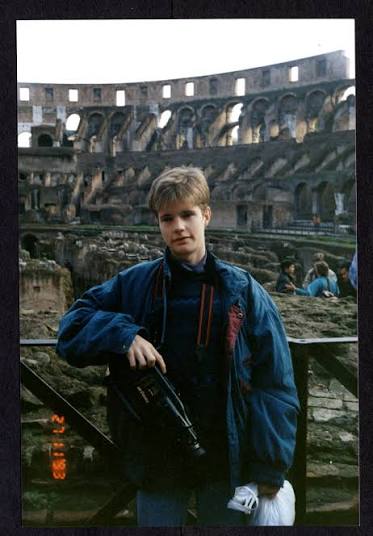
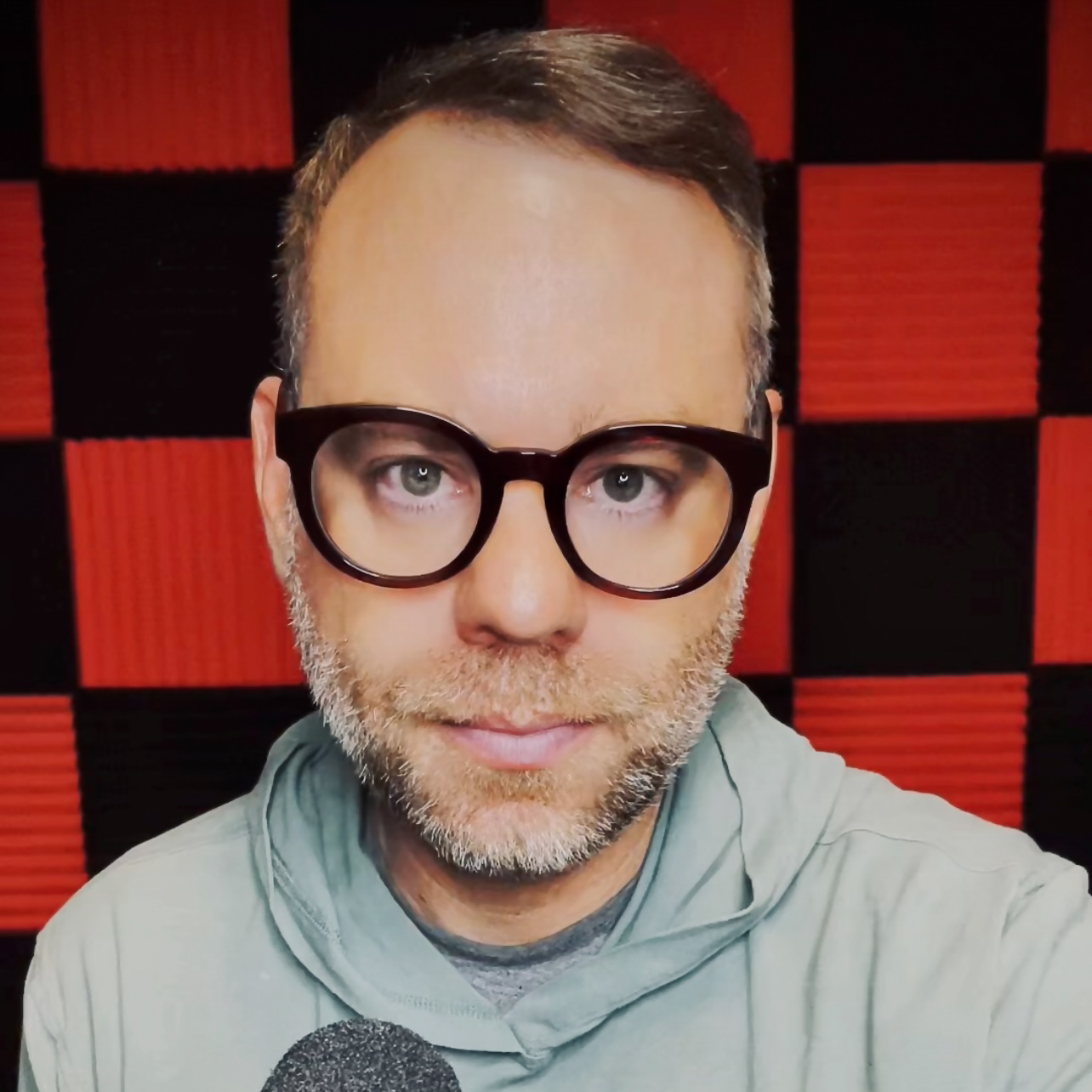
Host | Creator
Joe runs 10 Minute Murder because he's been trying to figure out since the '90s why humans are such spectacular disasters, when the Menendez Brothers and O.J. Simpson turned murder trials into must-see TV. While his classmates were watching Saturday morning cartoons, little Joe was watching Court TV and thinking, "What is wrong with people?" Thirty years later, he still doesn't have a good answer, but he's got a podcast about it.
When he's not studying the worst decisions ever made by our species, Joe screams supportive threats at the Buffalo Bills, reads everything he can get his hands on, and goes to stand-up comedy shows to remember that humans can be funny on purpose instead of by accident. Most nights you'll find him on his couch, yelling "You IDIOT" at a murder documentary like the killer can hear him through the screen. He calls it research. His therapist calls it "an interesting coping mechanism."
Take Me: The Real Devil Made Me Do It Murder Case

 Spotify
 Apple Podcasts
 Pandora
 Amazon Music
 Podchaser
 Spreaker
 RSS Feed
 Audible
 Castbox
 iHeartRadio
 Castro
 Deezer
 YouTube