Julissa Thaler: The Mother Who Bought a Shotgun After Losing Custody Battle
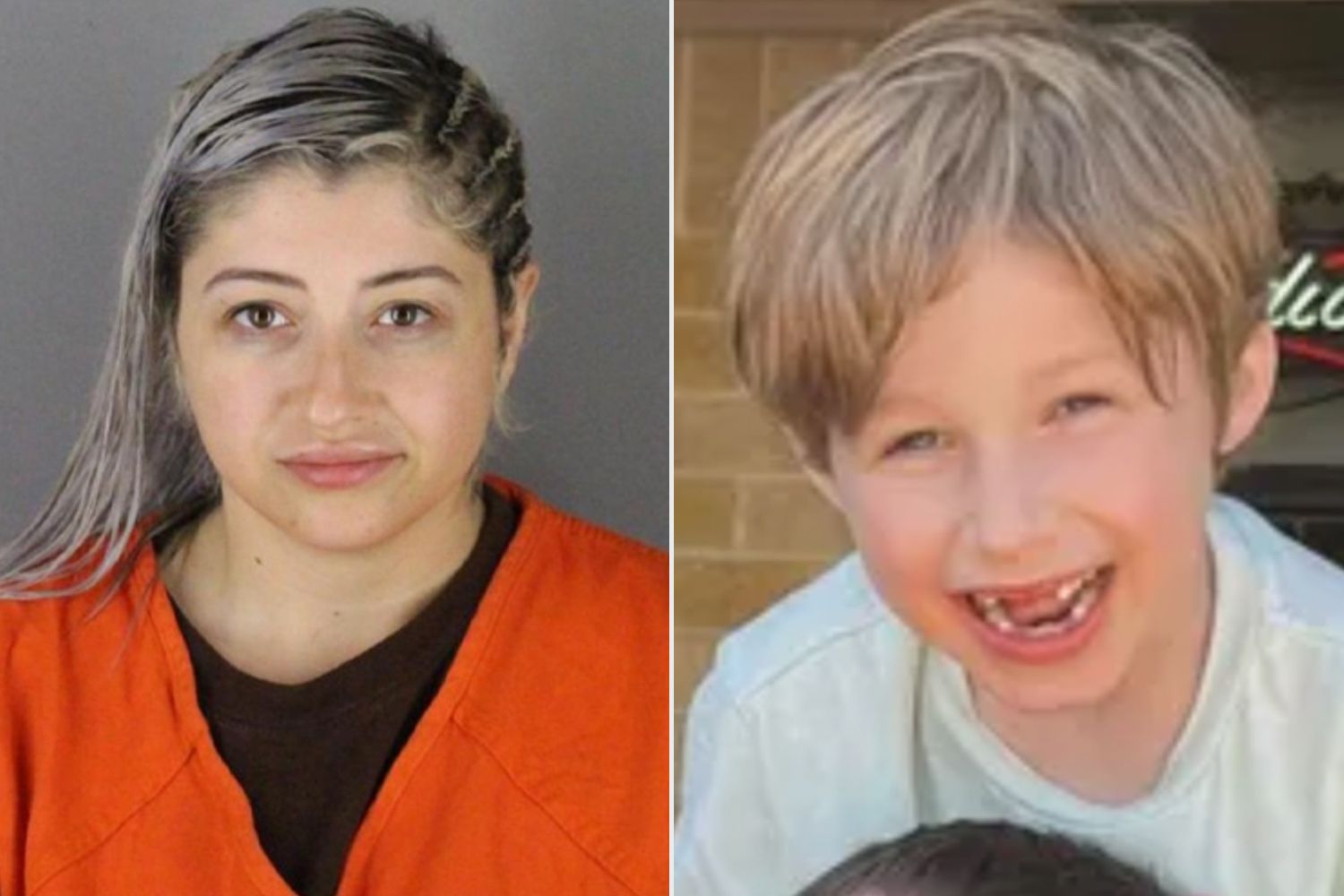
Six-year-old Eli Hart was a kindergartener who loved playing on the monkey bars and going fishing with his dad. He was born with medical challenges that required surgeries and hearing aids, but teachers and family said he was always smiling, always making friends. In May 2022, during a traffic stop in Orono, Minnesota, police found Eli's body in the trunk of his mother's car. She'd shot him nine times with a shotgun. It had been exactly ten days since Dakota County gave her full custody.
The Murder of Eli Hart: How Minnesota Child Welfare Failed a Six-Year-Old Boy
There's this moment in a lot of true crime cases where you realize the tragedy didn't have to happen. Someone saw the warning signs. Someone raised the alarm. Someone tried to intervene. And then you find out that all those someones were ignored, and a child ended up dead. The case of Eli Hart is one of those stories where every single person who tried to save him was told to sit down and be quiet, and ten days later, that little boy was gone.
Eli Hart: A Kindergartener's Life Cut Short by Maternal Filicide
Eli was six years old in May 2022. He was in kindergarten at Shirley Hills Primary School in Mound, Minnesota. By all accounts, he was this bright, energetic kid who loved being around people. His dad, Tory Hart, said Eli was always happy, always outgoing, full of energy. He loved the monkey bars at the park, loved playing with toy cars, loved going fishing. Eli had medical challenges from birth. He was born with a genetic disorder called Townes-Brocks syndrome that affected his feet and his hearing. He'd had multiple surgeries when he was a baby and wore hearing aids. But none of that slowed him down. Teachers said he was popular with the other kids. He made friends easily.
The Warning Signs Dakota County Social Services Ignored Before Eli Hart's Death
But Eli's home life was a different story. His mother, Julissa Thaler, had been struggling with severe mental illness and addiction since she was a teenager. Between the ages of 13 and 18, she was in and out of mental health institutions. She was treated repeatedly for drug and alcohol abuse. During her senior year of high school, she ran away and lived on the streets for 45 days. As an adult, her life was chaotic. She had arrests for stealing pharmaceuticals from a health clinic. She was kicked out of court-ordered parenting classes. Between 2020 and 2021, police were called to her home 21 times in a ten-month period. Twenty-one times.
In October 2020, Dakota County Social Services found Eli wandering around naked in a house described as being in terrible condition. That's when they removed him and placed him with a foster mother named Nikita Kronberg. Nikita loved that little boy. But she also saw something that terrified her. She told social workers, she told the court-appointed guardian, she told anyone who would listen that she believed Julissa would kill Eli if she ever got him back. She said Julissa would rather see Eli dead than let his father have custody. She said this multiple times. She was explicit about it.
Inside the Custody Battle That Preceded Eli Hart's Murder
Tory Hart was fighting desperately to protect his son. Julissa had thrown all kinds of accusations at Tory to keep him away from Eli. She accused him of domestic abuse. She claimed he'd planted a nail bomb in her car. None of it was true. Police never substantiated any of it. But it created enough chaos that it delayed Tory's efforts to get custody. In March 2022, he was sending frantic emails to social workers saying Eli was being neglected, sleep-deprived, wearing dirty clothes for days, missing medical appointments.
Even the social workers' own reports showed serious problems. During supervised visits, Eli would hide behind furniture to avoid his mother. He'd have bathroom accidents after seeing her. Classic signs a child is experiencing trauma. But despite all of this, despite the 21 police calls, despite the warnings, despite Eli's own behavior screaming that something was wrong, Dakota County Social Services recommended closing the protective case and giving Julissa full custody. On May 10, 2022, a judge did exactly that. Ten days later, Eli was dead.
Julissa Thaler's Calculated Plan: Gun Purchase and Google Searches Before Murder
On March 11, 2022, Tory Hart filed a petition seeking full custody of Eli. Six days later, on March 17, Julissa bought a 12-gauge shotgun. This wasn't impulsive. She took a friend to a gun range the next two days to learn how to shoot it. Neighbors saw her carrying the shotgun wrapped in a gray blanket between her apartment and her car.
Her Google search history tells you everything. She searched "how much blood can a six-year-old lose." She searched "how much does life insurance pay for a dead child." She looked up how to get away with crimes. Days before she killed Eli, she went to a gun shop and asked the clerk for ammunition that would "blow the biggest hole" in something.
Foster Mother's Prophecy: "She Will Kill Him Rather Than Lose Custody"
On the night of May 19, 2022, Eli was at Julissa's apartment in Spring Park. Her boyfriend, Robert Pikkarainen, was there. He later testified that Eli was playing with kittens and getting rowdy. Julissa got angry. When Eli wouldn't go to bed, she started hitting him. Pikkarainen eventually went to sleep, but before he did, he saw Julissa take the shotgun to her car, come back inside, grab Eli, and leave with him late at night.
Cell phone tracking showed exactly where she went. She drove to a secluded parking lot at Lake Minnetonka Regional Park. Eli was strapped into his booster seat in the back of her silver Chevrolet Impala. Julissa fired six rounds from the shotgun into her son at close range. Then she reloaded and fired three more shots into his body and head. The force of the blasts blew out the back window.
May 20, 2022: The Traffic Stop That Uncovered Eli Hart's Body
After killing Eli, Julissa drove around with his body in the trunk. At some point, one of her tires shredded completely and she was driving on a bare metal rim. She stopped at multiple gas stations and threw evidence into dumpsters. She dumped Eli's backpack with his kindergarten worksheets inside. She dumped his blood-soaked booster seat.
Around 7:10 in the morning on May 20, police in Orono pulled her over after getting reports about a damaged vehicle. The officer said she looked disheveled and nervous, avoiding eye contact. He noticed what looked like blood on her hands and face in a spray pattern. When he asked about it, she gave bizarre excuses. First she said it was menstrual blood. Then she said she'd been carrying deer meat from a butcher. Inside the car, there was blood splattered on the ceiling and back door. There was a bullet hole in the back seat.
And here's the part that's almost as infuriating as everything else. The officers didn't search the trunk right away. Julissa complained about being cold and refused to sit in the squad car, so they gave her a ride home and let her go. It wasn't until after they dropped her off that they searched the vehicle. That's when they opened the trunk and found Eli's body wrapped in that gray blanket with the shotgun lying next to him.
The Evidence Against Julissa Thaler: DNA, Cell Phone Data, and Premeditation
Police went back to arrest Julissa, but she'd already left on foot. Inside, they found the washing machine running with the blood-stained clothes she'd been wearing during the traffic stop. When they caught her shortly after, she still had blood and what appeared to be biological matter in her hair. DNA testing would later confirm it was Eli's tissue.
The trial started in early 2023. The prosecution had an overwhelming case. They had the gun purchase six days after Tory filed for custody. They had the Google searches. They had cell phone data placing her at the murder scene. They had DNA evidence. They had the ammunition purchase. They had Pikkarainen's testimony about the violence the night before. The defense barely mounted a case. Their argument was that the state couldn't prove the gun was in her hands at the exact moment of the shooting. They suggested maybe she was an accomplice. But there was zero evidence anyone else was involved.
Life Without Parole: Julissa Thaler's Sentencing for Her Son's Murder
The jury deliberated for less than two hours before finding Julissa Thaler guilty of first-degree premeditated murder and second-degree intentional murder. At her sentencing hearing in February 2023, she didn't show remorse. She maintained her innocence and used profanity to insult the court and Eli's family. The judge sentenced her to life in prison without the possibility of parole.
$2.25 Million Settlement: Dakota County Held Accountable for Child Protection Failures
Tory Hart filed a federal lawsuit against Dakota County and the social workers who handled Eli's case. In December 2024, the county settled for $2.25 million. They didn't admit wrongdoing, but it was a public acknowledgment that something went catastrophically wrong. Tory and his wife Josephine started the Eli Hart Foundation to help other parents fighting for custody who can't afford legal representation.
Lessons From Eli Hart's Case: Family Preservation Prioritizes Parents Over Children
Because here's what this case really comes down to. Eli was a little boy who survived surgeries and medical challenges and was still happy. He was resilient and social and loved. And then the people whose job it was to protect him ignored 21 police calls, ignored a foster mother who explicitly said she believed this would happen, ignored a father who begged them to intervene, and they gave that child back to someone who had already shown everyone exactly what she was capable of. Ten days later, he was gone.

Host | Creator
Joe runs 10 Minute Murder because he's been trying to figure out since the '90s why humans are such spectacular disasters, when the Menendez Brothers and O.J. Simpson turned murder trials into must-see TV. While his classmates were watching Saturday morning cartoons, little Joe was watching Court TV and thinking, "What is wrong with people?" Thirty years later, he still doesn't have a good answer, but he's got a podcast about it.
When he's not studying the worst decisions ever made by our species, Joe screams supportive threats at the Buffalo Bills, reads everything he can get his hands on, and goes to stand-up comedy shows to remember that humans can be funny on purpose instead of by accident. Most nights you'll find him on his couch, yelling "You IDIOT" at a murder documentary like the killer can hear him through the screen. He calls it research. His therapist calls it "an interesting coping mechanism."
The Zombie Hunter Murders: Phoenix's Most Haunting Cold Case Finally Solved

 Spotify
 Apple Podcasts
 Pandora
 Amazon Music
 Podchaser
 Spreaker
 RSS Feed
 Audible
 Castbox
 iHeartRadio
 Castro
 Deezer
 YouTube