
Sarah Jo Pender: The Female Charles Manson Case Explained
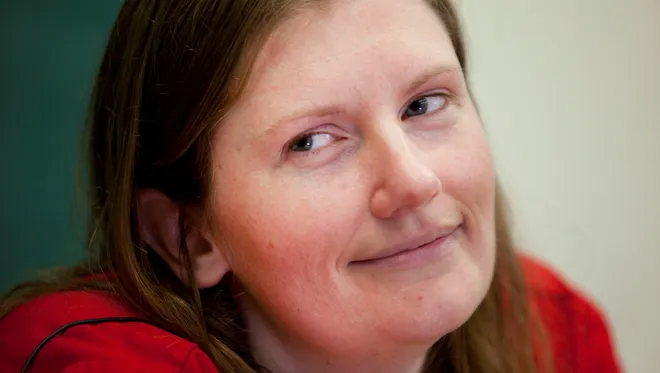
October 24, 2000. A 21-year-old secretary walks into a Walmart in Indianapolis and buys a shotgun. Twelve hours later, two people are dead. She gets 110 years. The shooter gets 75. The prosecutor who called her the Female Charles Manson now says he was wrong. But when you look at the pattern, when you see what she did in prison, when you watch how she's fighting for freedom right now, you start to wonder if maybe he was right the first time
The Secretary Who Bought a Shotgun
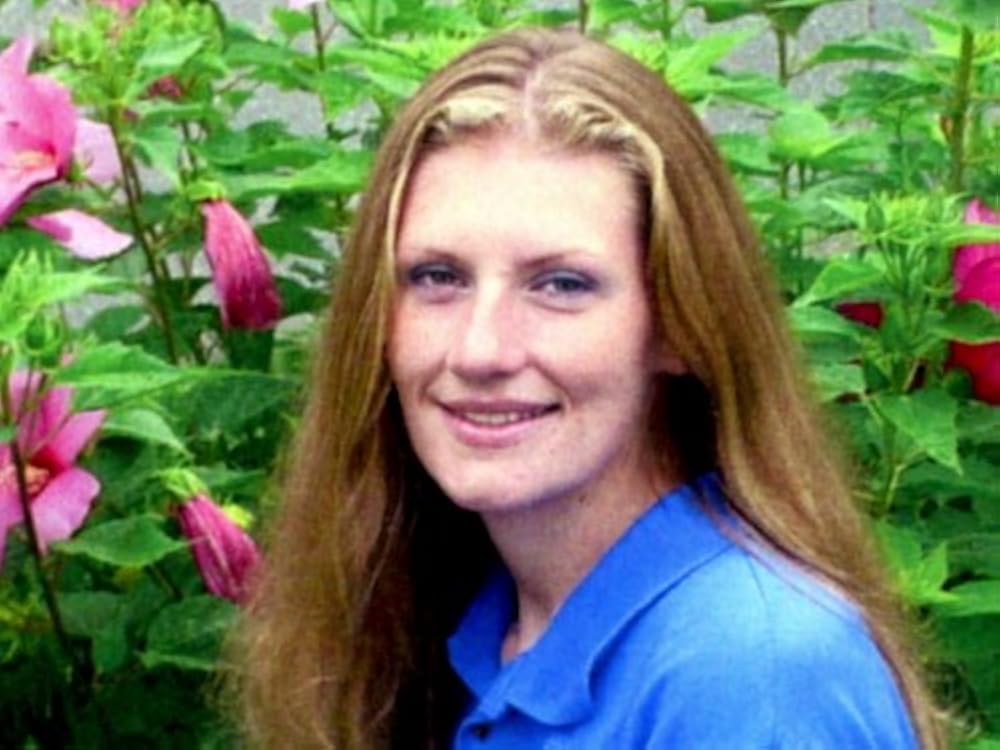
October 2000, Indianapolis. Sarah Jo Pender is 21 years old. She's working as a secretary, she's smart, she's got no criminal record. She's dating this guy Richard Hull, who's a bouncer with a temper and a rap sheet. They're living with another couple, Andrew Cataldi and Tricia Nordman, and everyone in this house is dealing drugs.
This is where things get complicated, because Sarah Jo had been sexually assaulted a few months earlier. She was traumatized. And a lot of people say she latched onto Hull because he was tough and protective and made her feel safe. That's the sympathetic version.
Here's another way to look at it. She found a guy who was violent and not particularly smart and could be controlled. But we'll get to that.
So Cataldi starts causing problems. He's owed money for drugs. He's threatening Hull's family. The tension in this house is building. And on October 24, Sarah Jo Pender and Richard Hull drive to Walmart.
They buy a Mossberg 12-gauge shotgun and deer slugs. Deer slugs, not birdshot. The kind of ammunition that will absolutely kill a person.
Hull is a felon. He can't legally buy a gun. So Pender fills out the paperwork, Pender pays for it, Pender carries it out of the store.
That night, Hull and Cataldi get into an argument. It escalates. And Hull shoots Andrew Cataldi in the chest. One deer slug. Then he shoots Tricia Nordman twice. Chest and head.
Richard Hull admitted to pulling the trigger. Nobody disputes that. He's the shooter.
Sarah Jo says she walked away from the argument before it turned violent. She heard the shots. She came back and Hull was standing over the bodies and she was terrified.
The Cleanup
If she was terrified, what happened next is interesting.
October 25. The day after the murders. Pender goes to work. Shows up to her secretary job like nothing happened. Hull stays home and scrubs blood off the floors.
That night, they load two bodies into a pickup truck. They drive to a dumpster behind the Teamsters Union building. And they throw Andrew Cataldi and Tricia Nordman in the trash.
Look, I'm not saying a terrified person couldn't do this. Fear makes people do strange things. But a terrified person also might call the police. A terrified person might run.
Sarah Jo Pender went to work and then helped dispose of bodies. Those are the facts.
The Trial
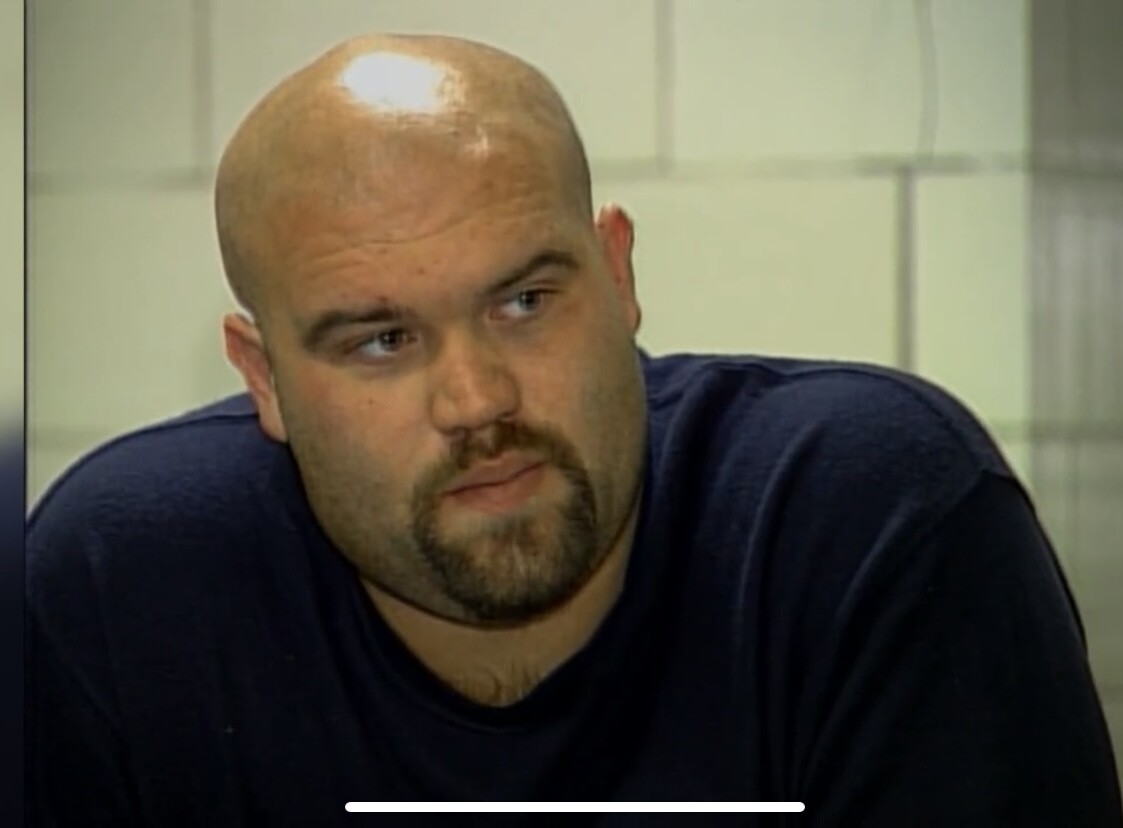
When they get arrested, Hull immediately says Pender made him do it. She manipulated him. She orchestrated the whole thing.
Everyone dismisses this because of course Hull is trying to save himself. He's pointing the finger to get a better deal.
Then there's this confession letter that supposedly Pender wrote to Hull while they're both in jail. It says something like, "I wish I could go back and change the events of that night."
Years later, Hull says he forged it. Another inmate named Steve Logan says he wrote it. Their fingerprints are on the letter. Pender's aren't.
So that letter is probably fake. Or Pender dictated it and had someone else write it. Who knows.
There's also Floyd Pennington, a jailhouse snitch who testified that Pender confessed to him. Pennington had a whole list of cases he was snitching on to reduce his sentence. So maybe he's lying. Maybe he's not.
August 2002. The jury convicts Pender. She gets 110 years.
Richard Hull pleads guilty. He gets 75 years.
The shooter got less time than the person who bought the gun. And a lot of people think that's unfair.
But here's what the prosecutor argued. The person who plans a murder is more dangerous than the person who executes it. Richard Hull without Sarah Jo Pender is just a violent guy with a temper. He might get in fights. Two people probably don't end up dead.
Sarah Jo Pender without Richard Hull? She finds another Richard Hull. Because the dangerous part isn't the gun. It's the person who knows how to use it.
The Escape
Six years into her sentence, Pender's appeals are going nowhere. She's looking at dying in prison.
So she starts a relationship with a corrections officer named Scott Spitler. Five years on the job. Battery charge pending. His marriage is falling apart.
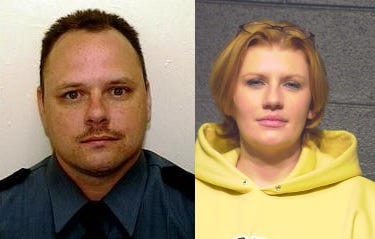
Pender promises him $15,000. And on August 4, 2008, he drives her out of prison in a Department of Corrections van.
Scott Spitler goes to prison for eight years. Jamie Long, the woman who helped hide her, gets seven years.
For four months, Pender lives in Chicago under the name Ashley Thompson. She gets a job. Her coworkers like her. Her neighbors think she's pleasant and normal.
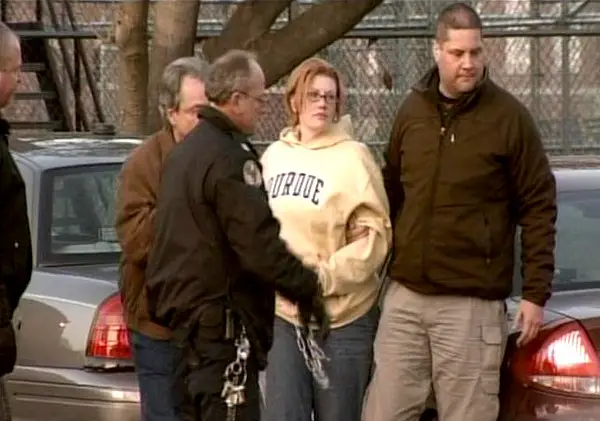
A neighbor watches America's Most Wanted, recognizes her, and calls it in. Chicago police raid her apartment on December 22, 2008.
Pender goes back to Indiana. She gets put in solitary confinement for over five years. And look, maybe that was excessive. Maybe that was cruel. She sued and won a settlement.
But she also manipulated a prison guard into committing a felony for her. Actions have consequences.
The Pattern
Here's what keeps bothering me about this case. Everywhere Sarah Jo Pender goes, people end up doing things they wouldn't normally do.
Richard Hull shoots two people.
Scott Spitler throws away his career and his freedom to drive her out of prison.
Jamie Long risks seven years to hide a fugitive.
And now, the prosecutor who called her the Female Charles Manson says he was wrong.
Larry Sells is retired. He found the snitch list. He realized the confession letter was probably forged. He's advocating for her release.
A prosecutor admitting he made a mistake is powerful. It's the kind of thing that makes you reconsider everything.
But Sarah Jo Pender has spent 25 years in prison. She's earned two associate degrees. She's taken every class available. Georgetown students are making documentaries about her. Professors call her one of the smartest students they've ever taught.
She's built a whole movement around the idea that she's a victim of a broken system.
The Hearing
December 5, 2025. Pender appears before Judge James Snyder. She's asking to run her sentences concurrently instead of consecutively. If he grants it, she walks free immediately.
Witnesses testify about her transformation. Her father talks about the love she shared with her late wife Amanda Dixson, who died of cancer in 2024. A documentary filmmaker says Pender inspired her.
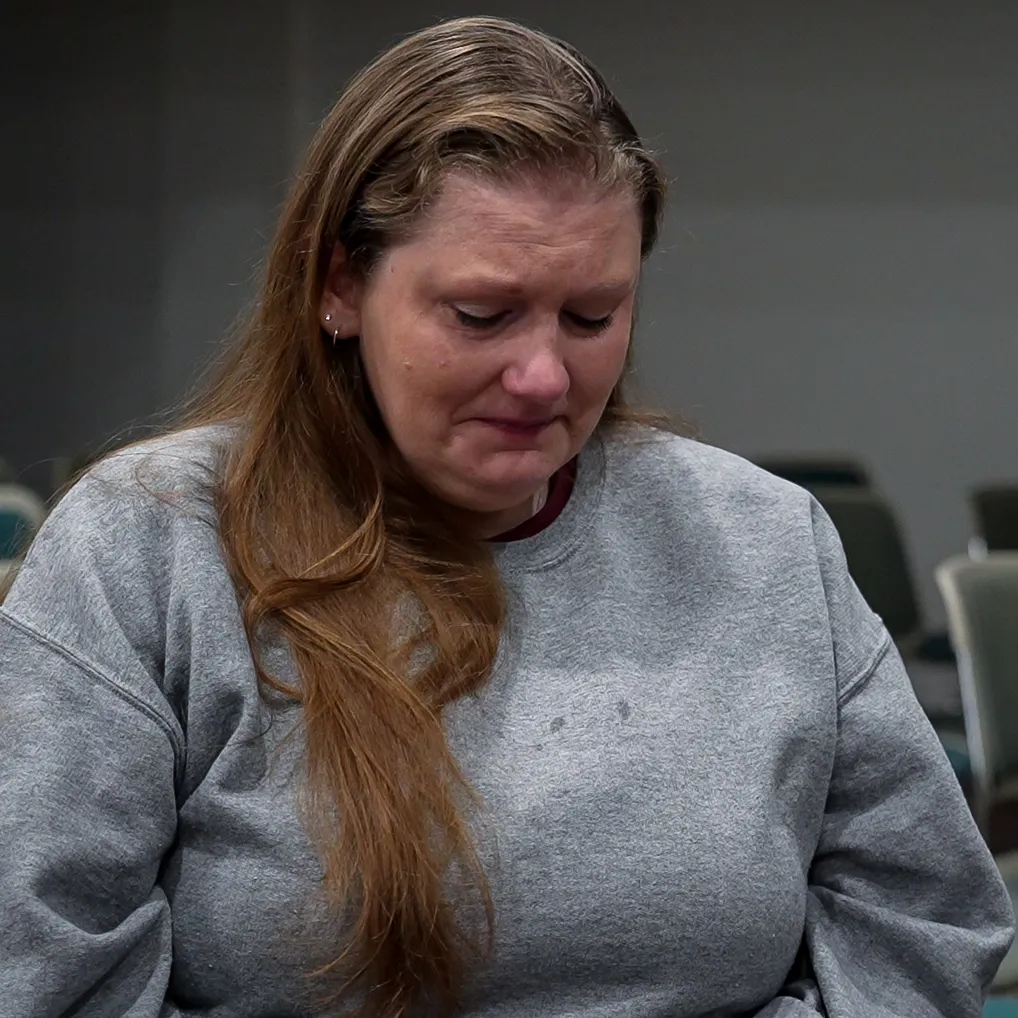
Pender speaks to the families of Andrew Cataldi and Tricia Nordman. She says, "I am so sorry for the terrible loss you suffered and for the role I played in it."
The role she played. Not "I'm sorry I killed them." The role she played.
Everyone is moved. Everyone thinks she deserves another chance.
The Question Nobody Wants to Ask
Sarah Jo Pender is not innocent. She bought the gun. She helped dump the bodies. She escaped from prison. Those are facts.
The question is whether she planned the murders or reacted to them. Whether she manipulated Richard Hull into killing Cataldi and Nordman or whether Hull acted alone.
And I think the answer is in the pattern. She found a violent man who could be controlled. She armed him. She was there when it happened. She helped cover it up. She manipulated a prison guard. She manipulated a judge into considering her release.
Maybe 25 years is enough. Maybe she's genuinely changed. Maybe people deserve second chances.
Or maybe Sarah Jo Pender is exactly what Larry Sells called her the first time. A brilliant, manipulative person who uses other people to do violence.
Charles Manson never pulled a trigger either.
The hearing is ongoing. We'll see what the judge decides. But when you look at this case, when you really look at it, you have to wonder if the prosecutor was wrong about being wrong.
Because the evidence keeps pointing in the same direction. And it's been pointing there for 25 years.

Host | Creator
Joe runs 10 Minute Murder because he's been trying to figure out since the '90s why humans are such spectacular disasters, when the Menendez Brothers and O.J. Simpson turned murder trials into must-see TV. While his classmates were watching Saturday morning cartoons, little Joe was watching Court TV and thinking, "What is wrong with people?" Thirty years later, he still doesn't have a good answer, but he's got a podcast about it.
When he's not studying the worst decisions ever made by our species, Joe screams supportive threats at the Buffalo Bills, reads everything he can get his hands on, and goes to stand-up comedy shows to remember that humans can be funny on purpose instead of by accident. Most nights you'll find him on his couch, yelling "You IDIOT" at a murder documentary like the killer can hear him through the screen. He calls it research. His therapist calls it "an interesting coping mechanism."

The Zombie Hunter Murders: Phoenix's Most Haunting Cold Case Finally Solved


 Spotify
 Apple Podcasts
 Pandora
 Amazon Music
 Podchaser
 Spreaker
 RSS Feed
 Audible
 Castbox
 iHeartRadio
 Castro
 Deezer
 YouTube