
28 Days on Ocean Avenue: The Real Amityville Murders
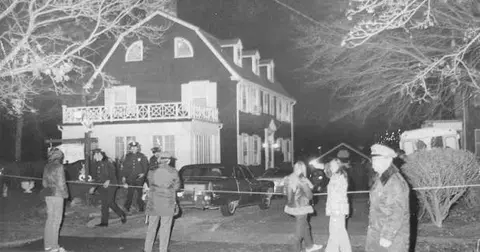
There was a big house on Ocean Avenue in Amityville, New York, with a statue of the Virgin Mary out front and a little sign on the lawn that said High Hopes. A family of 7 lived there. Then on a Wednesday night in November of 1974, the oldest son walked into his usual bar and asked his friends to come home with him.
Long Island in the 1970s and the Village of Amityville
Long Island grew like crazy after World War II. Suffolk County nearly doubled in population during the 1960s, with families leaving New York City for houses of their own. By the fall of 1974, the New York Times was reporting the boom had stalled.
Amityville is a little village on the South Shore, right on the water. If you drove down Ocean Avenue that fall, you’d go right past a big old Colonial-style house with a statue of the Virgin Mary out front and a sign on the lawn that said High Hopes. That was 112 Ocean Avenue. It had a pool and a boathouse, and the DeFeo family had lived there since 1965.
The DeFeo Family of 112 Ocean Avenue
Ronald DeFeo Sr. was the service manager at Brigante-Karl Buick in Brooklyn, a dealership Louise’s dad co-owned, and their oldest son worked in the family car business too, which made the family and the job the same group of people. Later retellings call Ronald Sr. rigid and Louise quiet and kind, without saying who told them.
They had 5 kids. The oldest was Ronald Jr., and everybody called him Butch. He was 23. Dawn was 18, and a later account says she went to Katherine Gibbs secretarial school because her parents wanted her there. Allison was 13, and a retelling remembers her as a quiet kid who’d shoot pool with family friends. Marc got hurt bad playing football, and a later account says he was in physical therapy. John was 9. He was the baby. He shared a room with Marc, and the little bit you can find about him says he loved playing with his big brother.
Butch walked into Henry’s Bar in Amityville on the evening of Wednesday, November 13, 1974.
Henry’s Bar and the 6:35 Call to Suffolk County Police
It was about 6:30. The people at Henry’s knew Butch, since he went there a lot, and he came in saying he thought his parents had been shot and he needed somebody to come back to the house with him. A few of his friends went, so you’ve got people who stopped into a bar that night and walked into a murder scene. Somebody called police at 6:35.
Officers found 6 people dead.
Ronald Sr. and Louise had each been shot twice. Dawn was in her third-floor bedroom, and Allison was in her own room. Marc and John were together in the room they shared. Each of the kids had been shot once. All 6 were in their nightclothes, and most of them were face down in bed. Nothing was stolen, and police saw no sign of a fight.
Nobody knows why the rest of the family didn’t get out, or why no neighbor called about rifle shots in the early morning hours.
Neighbors told the Times the DeFeos were a “nice, normal family.” Butch was the only person left, and he had a name for police.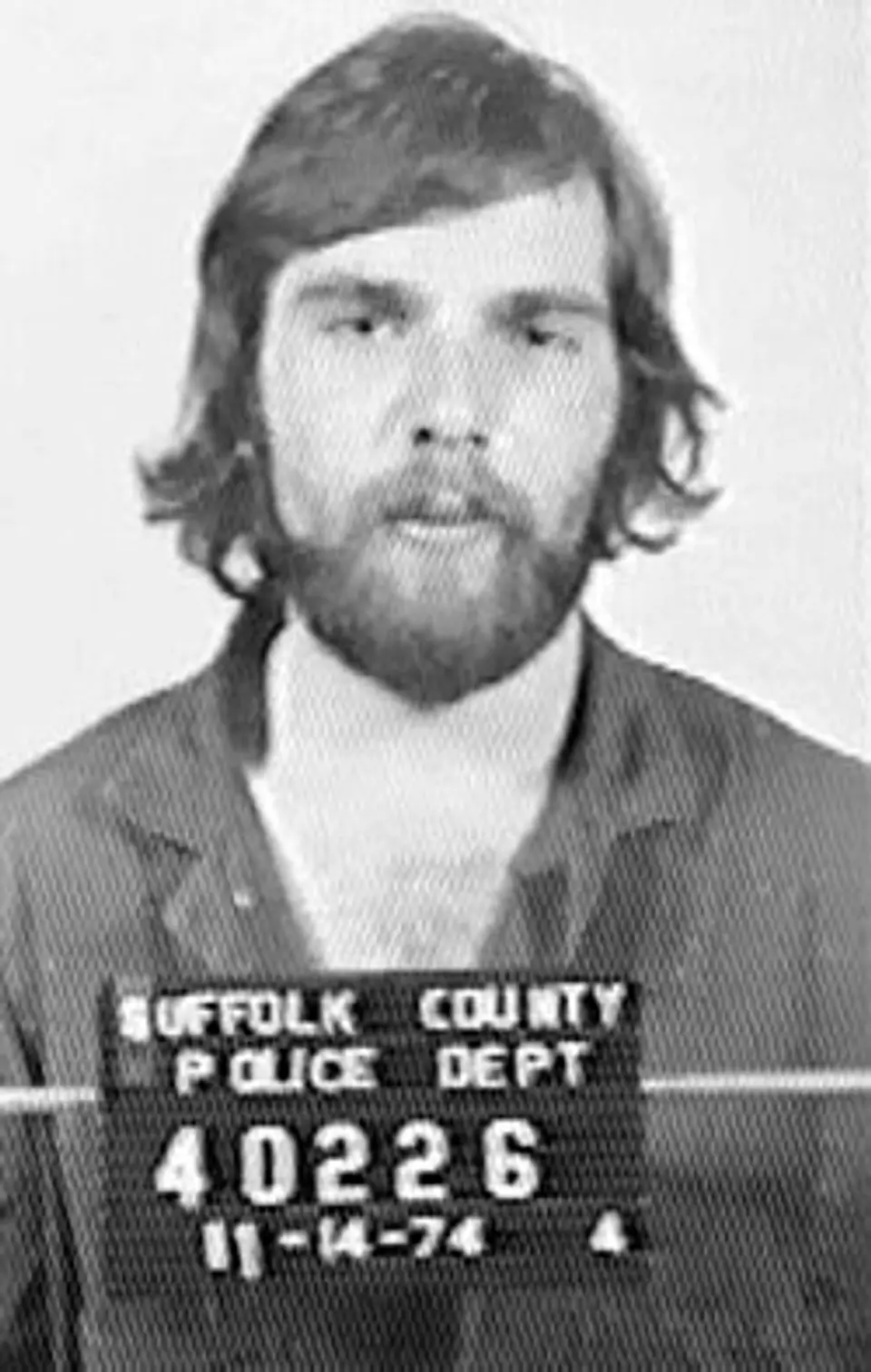
Louis Falini and the Mob Story That Fell Apart
The name was Louis Falini, and Butch told police Louis was a mob guy. Police took it seriously for about a day, because when you walk into a house with 6 people dead and no struggle, a professional hit is on the table, and the son standing in front of you might be next.
Then detectives did what you’d expect and checked his day against his story. A later account says he went to work that morning and called the house during the day, acting confused about why his dad never came in. Investigators found ammunition evidence that led back to Butch, and the gun was nowhere in the house.
He confessed on November 14. In a later account, a detective tells him the mob story doesn’t hold up, and Butch says it all “started so fast” that he couldn’t stop. He told them where he’d dumped the evidence, and they found it, .35-caliber Marlin rifle and all.
A few days later, a Times headline said police were reporting the family had been drugged, and if you go looking, that headline is pretty much the whole paper trail. The paper also tied Butch to about $19,000 missing from the dealership, and a later report says his dad already suspected him. About 1,000 people came to the funeral. Butch got indicted on 6 counts of murder.
The Insanity Defense at the Ronald DeFeo Jr. Trial
The trial started in the fall of 1975. The judge wrote that about 120 possible jurors had to be kept apart from the rest of the pool because of the publicity, and when the clerk read the case out loud, he remembered you could hear the room react.
Butch’s lawyer was William Weber. William went with insanity. The defense agreed Butch fired the shots and argued he was too sick to be held responsible. Butch said he heard voices, and that LSD and heroin helped convince him his family was plotting against him.
The prosecutor, Gerard Sullivan, argued that hiding the rifle and making up a mobster showed Butch knew what he’d done was wrong. Experts for the prosecution said Butch was legally sane. If you’re sitting on that jury, the made-up mob guy is a big problem for an insanity defense.
The jury came back on November 21, 1975. They found him guilty on all 6 counts of second-degree murder. He got 25 years to life for each one, and the judge ran them all back to back.
Nobody ever landed on a single reason why. You’ll hear people point at the missing money and the fights with his dad, and years later Butch claimed his father abused him, and I haven’t found anybody besides Butch backing that up. Gerard later co-wrote a book about the case, and they called it High Hopes, same as the sign on the lawn.
The Lutz Family and The Amityville Horror Ghost Story
The house sat empty about 13 months. George and Kathy Lutz bought it in December of 1975. They paid $80,000. They moved in with Kathy’s 3 kids. They lasted 28 days and left saying something in that house drove them out.
A writer turned their story into The Amityville Horror, a 1977 book sold as a true story and loaded with flies and slime. The movie came out in 1979 and was a huge hit.
The slime can’t make up its mind, since depending on which version you read it’s a red liquid or it’s green slime. Other details in the book clash with weather records and a priest’s own account. The next owner told Newsday “nothing weird ever happened there.” His family said the famous hidden Red Room from the book was a closet.
Then William Weber showed back up. Butch’s defense lawyer had a book project going with the Lutzes, and once that fell apart, he started calling the whole thing a hoax that he and the Lutzes cooked up “over many bottles of wine.” The Lutzes stood by every bit of it, and it ended up in court. In 1979, a federal judge threw out the Lutzes’ remaining claims and said the book looked to him like mostly fiction, built a lot on William’s suggestions.
You’ve got Kathy’s sons telling it 2 different ways. Danny Lutz said the paranormal stuff happened. His brother Christopher Quaratino said real things happened and George blew them up bigger, and he called George a showman who was into the occult. George and Kathy divorced and kept telling the same story. Kathy died in 2004. George died 2 years after her.
Ronald DeFeo Jr. in Prison and His Changing Stories
Butch spent the rest of his life in prison, and you could fill a notebook with the versions of the story he told. He said detectives beat the confession out of him and hit him with a phone book. The verdict stood.
Then he started blaming Dawn. At a parole hearing in 1999, he said Dawn was the only person he killed. Sometimes in his telling she shot the younger kids, and sometimes she shot their father. Nobody else was ever charged. A later author brought up possible gunpowder residue on Dawn’s clothing, and all 6 of Butch’s convictions stayed right where they were. Dawn was 18. She was killed in her own bedroom.
After his second prison wedding, Butch sued to get into the state’s family reunion program, and in 2008 an appeals court backed the prison system, saying the murders were brutal enough to keep him out and calling what he did an “execution-style shooting.”
He died at Albany Medical Center on March 12, 2021, after being moved there from Sullivan Correctional Facility. He was 69, and if you’re wondering what killed him, the state never said.
Where the Amityville Horror House Stands Today
The house is still there, and people still live in it. After the book and the movie, sightseers on Ocean Avenue meant traffic and trash for the neighbors and overtime for the police, so a later owner got the address changed to 108 to keep the lookers away. Renovations took out those quarter-round windows from the movie, and if you drove past today you might not recognize it. It sold in 2017. It went for $605,000. The family behind that High Hopes sign was Ronald Sr., Louise, Dawn, Allison, Marc, and John.

Host | Creator
Joe runs 10 Minute Murder because he's been trying to figure out since the '90s why humans are such spectacular disasters, when the Menendez Brothers and O.J. Simpson turned murder trials into must-see TV. While his classmates were watching Saturday morning cartoons, little Joe was watching Court TV and thinking, "What is wrong with people?" Thirty years later, he still doesn't have a good answer, but he's got a podcast about it.
When he's not studying the worst decisions ever made by our species, Joe screams supportive threats at the Buffalo Bills, reads everything he can get his hands on, and goes to stand-up comedy shows to remember that humans can be funny on purpose instead of by accident. Most nights you'll find him on his couch, yelling "You IDIOT" at a murder documentary like the killer can hear him through the screen. He calls it research. His therapist calls it "an interesting coping mechanism."
Just Felt Mean That Day: Christa Pike and the Knoxville Job Corps Murder

 Spotify
 Apple Podcasts
 Pandora
 Amazon Music
 Podchaser
 Spreaker
 RSS Feed
 Audible
 Castbox
 iHeartRadio
 Castro
 Deezer
 YouTube